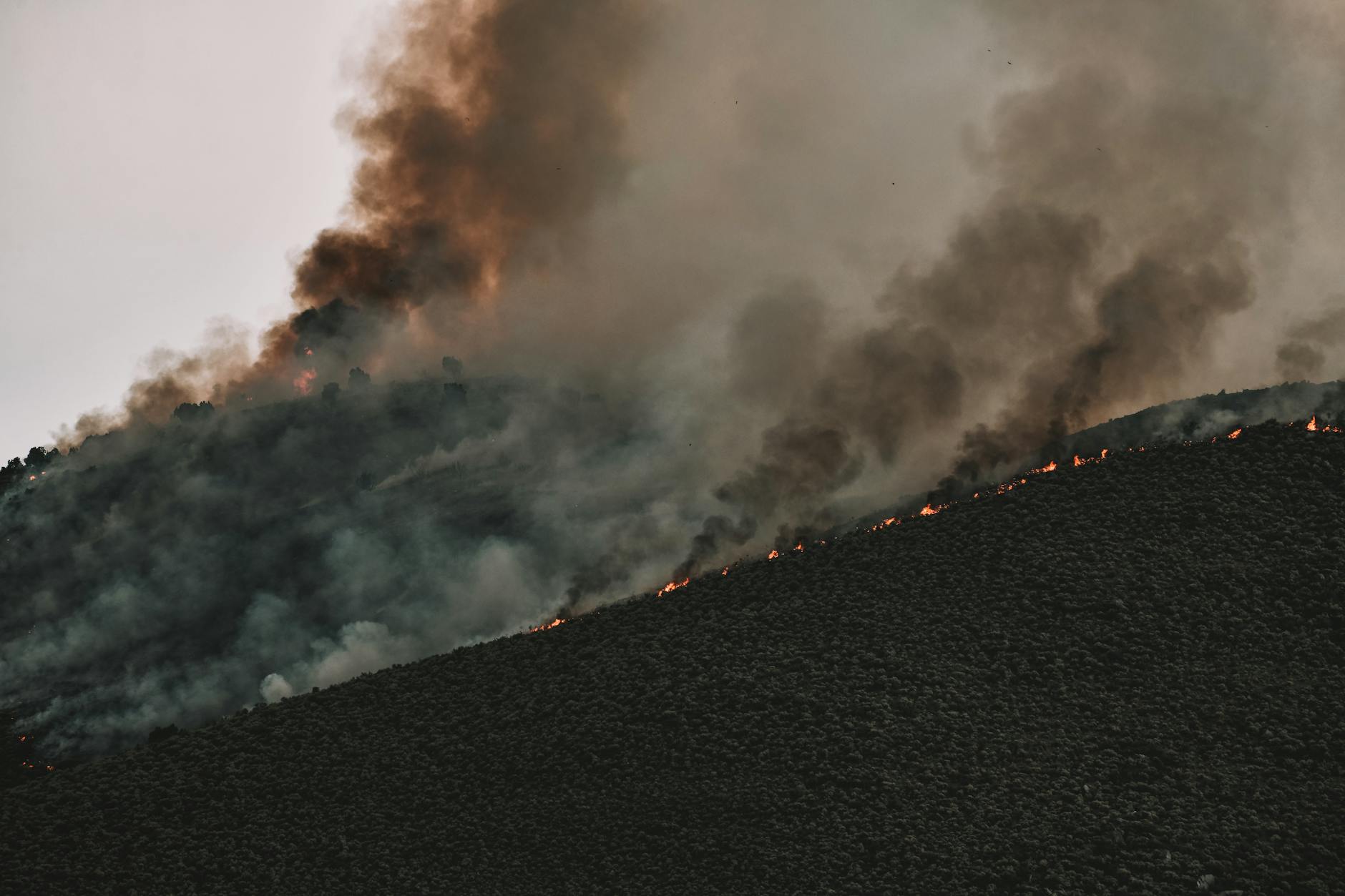
Wildfire zone home insurance is no longer optional for millions of American homeowners. According to CoreLogic, approximately 4.4 million U.S. homes face high or extreme wildfire risk. The combined reconstruction value of these properties exceeds $1.1 trillion.
In January 2025, the Palisades and Eaton fires in Los Angeles destroyed over 12,000 structures. Insured losses from those fires alone may reach $20 to $40 billion. These numbers are not abstract. They represent families who lost everything. Standard homeowners insurance often falls short in wildfire-prone areas. However, understanding your policy before disaster strikes can make the difference between recovery and financial ruin. Wildfire zone home insurance requires careful attention to coverage limits, exclusions, and supplemental options that most homeowners overlook.
Understanding the Risk: Wildfire Zone Home Insurance
Wildfire risk in the United States has grown dramatically over the past decade. The Insurance Information Institute reports that cumulative insured wildfire losses exceeded $50 billion between 2017 and 2024. The 2018 Camp Fire in Paradise, California caused $12.5 billion in insured losses alone. In 2024, the Smokehouse Creek Fire burned over one million acres across the Texas Panhandle. As a result, insurers are retreating from high-risk markets at an alarming rate.
California faces the greatest exposure. Roughly two million properties in the state sit in high-risk wildfire zones. However, Texas, Colorado, Oregon, Arizona, and Washington also have hundreds of thousands of vulnerable homes. The FEMA National Risk Index estimates wildfire-related expected annual losses at approximately $5.3 billion nationwide. The wildland-urban interface continues expanding as development pushes into fire-prone landscapes.
Climate change intensifies the problem. Longer droughts, higher temperatures, and aging power grid infrastructure all increase ignition risk. For example, Canada’s record 2023 fire season burned 45 million acres and sent hazardous smoke across the U.S. for weeks. Wildfire zone home insurance has become essential in states that never previously faced significant fire risk.
What Standard Homeowners Insurance Covers (and Doesn’t)
A standard HO-3 homeowners policy typically covers fire damage. This includes dwelling repair or rebuild costs under Coverage A. It also covers other structures like fences and garages under Coverage B. Personal property destroyed by fire falls under Coverage C. Additional living expenses while displaced are covered under Coverage D. In most cases, smoke damage from nearby fires is also included.
However, critical gaps exist. Post-fire mudslide and flood damage is not covered by homeowners insurance. You need a separate NFIP flood policy for that protection. Landscaping coverage is typically capped at $500 per item and $5,000 to $10,000 total. Debris removal often has a sub-limit of just 5% of your dwelling coverage. Most importantly, underinsurance is widespread. Post-disaster construction cost inflation can push rebuild costs 30% to 50% above pre-fire estimates.
Mandatory evacuation orders do not always trigger additional living expense coverage. Your home typically must sustain actual damage first. As a result, many families pay out of pocket for weeks of hotel and food costs during evacuations that end without property loss.
Additional Coverage Options for Wildfire Zone Home Insurance
When standard coverage falls short, several supplemental programs exist. The most important is your state’s FAIR Plan. FAIR Plans serve as insurers of last resort. California’s FAIR Plan now covers approximately 350,000 policies — nearly triple its 126,000 policies in 2018. However, FAIR Plan policies are bare-bones. They cover fire but typically exclude theft, liability, and water damage. You must purchase a separate Difference in Conditions policy for full protection.
Wildfire zone home insurance options vary significantly by state. The following table compares key programs available to homeowners in high-risk areas:
| State | Program | Max Dwelling Coverage | Key Limitation |
|---|---|---|---|
| California | California FAIR Plan | $3,000,000 | Fire-only; requires separate DIC policy |
| Oregon | Oregon FAIR Plan | Varies | Basic fire and limited perils only |
| Colorado | Colorado FAIR Plan (CFAIRP) | Varies | Wind, hail, and fire; limited availability |
| Washington | Washington FAIR Plan (WFAP) | Varies | Last resort; higher premiums |
| All States | Surplus Lines (E&S Market) | No standard cap | 3x–5x standard premiums; less regulation |
Extended replacement cost endorsements are critical for wildfire zone home insurance. These endorsements pay 125% to 150% of your dwelling limit. They protect against post-disaster demand surge pricing. Guaranteed replacement cost policies go even further by covering full rebuild costs regardless of the limit. Typically, these are available only through high-value insurers like Chubb or PURE.
How Much Does Wildfire Zone Home Insurance Cost?
The national average homeowners insurance premium is approximately $2,200 to $2,500 per year. In high-risk wildfire zones, that figure can skyrocket. California homeowners in fire-prone areas commonly pay $5,000 to $15,000 annually. Some properties in extreme-risk zones face premiums exceeding $20,000 per year. Wildfire zone home insurance costs have risen 50% to 100% since 2020 in many affected areas.
Major insurers have pulled back from high-risk markets. State Farm stopped accepting new California homeowners applications in May 2023. It then non-renewed approximately 72,000 existing policies in 2024. Allstate, Farmers, and AIG have made similar reductions. As a result, homeowners are pushed into the surplus lines market where premiums run three to five times higher than standard rates.
For example, a homeowner paying $2,000 annually on the admitted market might face $8,000 to $15,000 on the surplus market. A California FAIR Plan policy for $1 million in dwelling coverage costs roughly $3,000 to $5,000 per year. Add $1,000 to $2,000 for a DIC policy. Actuarial firm Milliman estimates that fully risk-adequate wildfire zone home insurance pricing in California would require 40% to 100% increases over current regulated rates.
How to Reduce Your Risk and Lower Premiums
Home hardening is the most effective way to protect your property and reduce wildfire zone home insurance costs. California’s Safer from Wildfires framework requires insurers to recognize specific mitigation measures. Creating 100 feet of defensible space around your home is essential. Install a Class A fire-rated roof. Enclose eaves and replace combustible siding within five feet of the structure. Use ember-resistant vents on all openings.
Community-level programs also help. The NFPA Firewise USA program certifies neighborhoods that meet mitigation standards. Some insurers offer discounts of 5% to 15% for homes in Firewise-certified communities. The IBHS Wildfire Prepared Home designation provides another recognized standard. FEMA’s Community Wildfire Defense Grant program has allocated approximately $1 billion to help at-risk communities develop protection plans.
Typically, combining multiple mitigation steps produces the best results. Replace wood fencing with metal near the home. Clear dead vegetation regularly. Keep gutters free of debris. Upgrade single-pane windows to dual-pane tempered glass. These investments protect your family and can make wildfire zone home insurance more available and affordable. In most cases, documented mitigation will also strengthen your position during the underwriting process with any carrier.
Frequently Asked Questions
Is wildfire damage covered by standard homeowners insurance?
Yes, standard HO-3 policies typically cover direct fire damage to your home and belongings. However, post-fire flooding and mudslides require separate flood insurance through the NFIP. As a result, wildfire zone home insurance should always be paired with a flood policy for complete protection.
What happens if my insurer non-renews my policy in a wildfire zone?
You can apply for coverage through your state’s FAIR Plan as a last resort. You may also seek quotes from surplus lines carriers, though premiums will be significantly higher. For example, California’s FAIR Plan has grown to over 350,000 policies as major insurers have pulled back from high-risk areas.
How can I lower my wildfire zone home insurance premium?
Invest in home hardening measures like defensible space, fire-rated roofing, and ember-resistant vents. Typically, documented mitigation can reduce premiums by 5% to 15%. In most cases, joining a Firewise USA community and obtaining an IBHS Wildfire Prepared Home designation will further improve your insurability and rates.
Compare Home Insurance Rates
Ready to see if you could be paying less for homeowners insurance? Compare quotes from top insurers in your area. Getting multiple quotes is the most effective way to find a better rate.
(paid link)
Official Sources & Resources
For verified information on home insurance regulations and consumer protection:
- NAIC (National Association of Insurance Commissioners): naic.org
- Insurance Information Institute: iii.org
- FEMA (Federal Emergency Management Agency): fema.gov
- FloodSmart (National Flood Insurance Program): floodsmart.gov
- USA.gov — Housing: usa.gov/housing
Content last reviewed April 2026. If you notice any outdated information, please contact us.