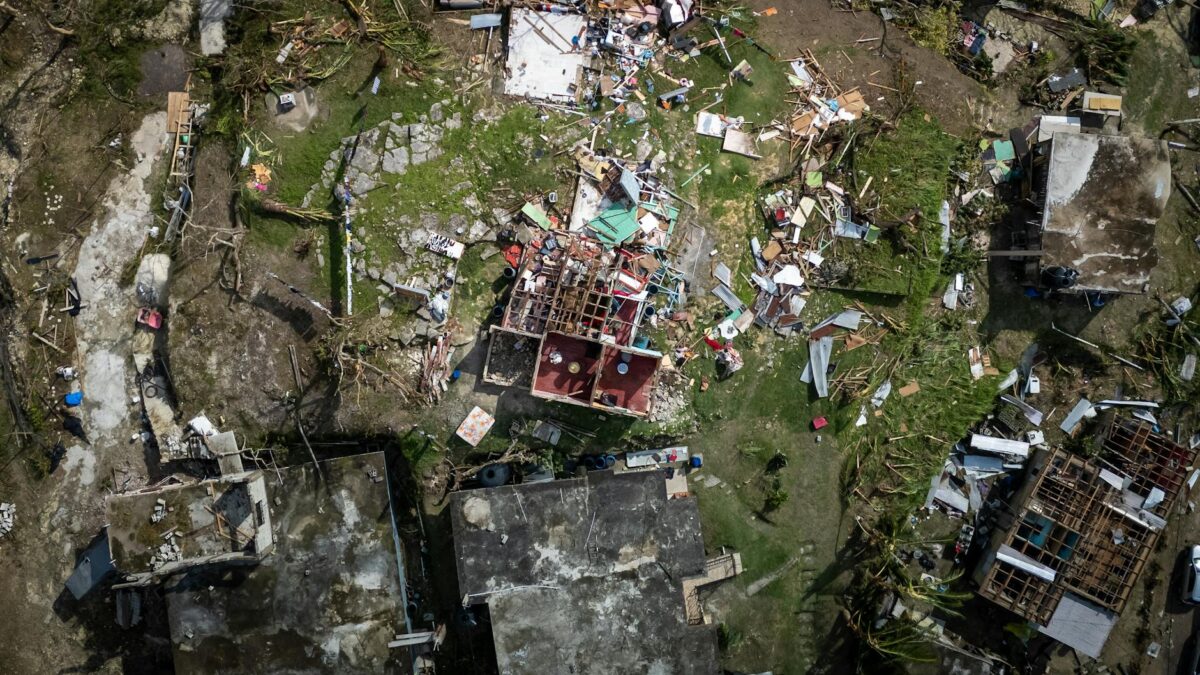
Hurricane insurance coverage is one of the most critical protections a homeowner can carry in storm-prone states. Every year, hurricanes cause billions of dollars in property damage across the Atlantic and Gulf coasts. However, many homeowners don’t realize that standard policies handle wind and flood damage very differently.
Your hurricane insurance coverage typically comes from two separate sources: your homeowners policy for wind damage and a separate flood policy for storm surge and rising water. Understanding how your hurricane insurance coverage actually works — including deductibles, exclusions, and gaps — can save you thousands of dollars when a major storm hits. In 2025 alone, national home insurance rates rose 12% for the fifth consecutive annual increase. For homeowners in coastal states, the stakes are even higher.
What Does Hurricane Insurance Coverage Include?
A standard homeowners insurance policy (HO-3) covers wind damage from hurricanes. This includes roof damage, broken windows, siding destruction, and structural harm caused by high winds. Wind-driven rain that enters through a compromised roof is typically covered as well. However, there is one major exclusion that catches homeowners off guard every hurricane season.
Flood damage is not covered by standard homeowners insurance. Storm surge, rising water, and ground-level flooding require a separate policy through the National Flood Insurance Program (NFIP) or a private flood insurer. NFIP residential policies cover up to $250,000 for the building and up to $100,000 for contents. As a result, homeowners in hurricane zones need both wind and flood coverage to be fully protected. Your hurricane insurance coverage is incomplete without both policies in place.
How Hurricane Deductibles Work
Hurricane deductibles are different from standard homeowners deductibles. They are percentage-based, not fixed dollar amounts. The percentage is calculated against your home’s insured dwelling value. For example, a $300,000 home with a 2% hurricane deductible means you pay $6,000 out of pocket before insurance kicks in. Typical hurricane deductibles range from 1% to 5% of insured value. In high-risk coastal zones, they can reach 10% or even 25%.
These deductibles are triggered only when the National Hurricane Center declares a named hurricane or tropical storm. In most cases, a regular windstorm uses your standard deductible. Currently, 19 states plus Washington D.C. allow or require hurricane or named storm deductibles. The following table shows the dollar impact on a typical home.
| Deductible Percentage | $200,000 Home | $300,000 Home | $500,000 Home |
|---|---|---|---|
| 1% | $2,000 | $3,000 | $5,000 |
| 2% | $4,000 | $6,000 | $10,000 |
| 5% | $10,000 | $15,000 | $25,000 |
| 10% | $20,000 | $30,000 | $50,000 |
Florida has specific rules for hurricane insurance coverage deductibles. Insurers must offer options of $500 flat, 2%, 5%, or 10% of dwelling coverage. Choosing a higher deductible lowers your premium but increases your financial risk. Homeowners should carefully weigh this trade-off before hurricane season begins each June.
Costs and State-by-State Differences
Hurricane insurance coverage costs vary dramatically by state. The national average homeowners premium is approximately $2,543 per year for $300,000 in dwelling coverage. However, coastal states pay far more. Florida homeowners pay an average of $10,384 annually — roughly 199% above the national average. Coastal areas like Boca Raton average $14,520 per year. Texas homeowners pay around $3,899 statewide, while Galveston averages $9,831.
The market has been volatile in recent years. At least 10 insurers exited or went insolvent in Florida since 2020. Louisiana saw 11 insurer insolvencies and 11 additional carrier exits between 2020 and 2022. For example, Louisiana is projecting rate increases of 58% for 2026. However, Florida’s market is showing signs of stabilization. Nine new insurers were approved in 2024, and Citizens Property Insurance implemented an average 8.7% rate decrease for spring 2026 renewals.
Steps to Protect Yourself Before Hurricane Season
Review your current hurricane insurance coverage well before storm season starts on June 1. First, check whether your policy includes a hurricane or named storm deductible and note the percentage. Calculate the dollar amount you would owe on a claim. If the number is too high, ask your insurer about lowering the deductible percentage — but expect a higher premium.
Second, confirm you have separate flood insurance. According to FEMA, most flood policies have a 30-day waiting period before coverage begins. Waiting until a storm is approaching is too late. Typically, homeowners in FEMA-designated flood zones with federally backed mortgages are required to carry flood insurance. However, even homeowners outside high-risk zones should consider it.
🏠 Get Free Home Insurance Guides
Free · No spam · Unsubscribe anytime
Third, document your property and belongings with photos and video. Store this inventory in the cloud or off-site. Create a home maintenance record showing roof age, window upgrades, and storm shutters. Many insurers offer premium discounts for wind mitigation features. Your hurricane insurance coverage works best when you can prove the condition of your property before a storm.
Frequently Asked Questions
Does homeowners insurance cover hurricane damage?
Standard homeowners insurance covers wind damage from hurricanes, including roof and structural damage. However, it does not cover flooding or storm surge. You need separate flood insurance through the NFIP or a private insurer for complete hurricane insurance coverage.
How much is a typical hurricane deductible?
Hurricane deductibles typically range from 1% to 5% of your home’s insured value. For example, a 2% deductible on a $300,000 home means you pay $6,000 out of pocket. In high-risk coastal areas, deductibles can reach 10% or higher.
Which states have hurricane deductibles?
Currently, 19 states plus Washington D.C. allow hurricane or named storm deductibles. These include Florida, Texas, Louisiana, North Carolina, South Carolina, Georgia, Alabama, Mississippi, and several northeastern coastal states. In most cases, your hurricane insurance coverage in these states will include a percentage-based deductible rather than a flat dollar amount.
Compare Home Insurance Rates
Ready to see if you could be paying less for homeowners insurance? Compare quotes from top insurers in your area. Getting multiple quotes is the most effective way to find a better rate.
(paid link)
Official Sources & Resources
For verified information on home insurance regulations and consumer protection:
- NAIC (National Association of Insurance Commissioners): naic.org
- Insurance Information Institute: iii.org
- FEMA (Federal Emergency Management Agency): fema.gov
- FloodSmart (National Flood Insurance Program): floodsmart.gov
- USA.gov — Housing: usa.gov/housing
Content last reviewed June 2026. If you notice any outdated information, please contact us.