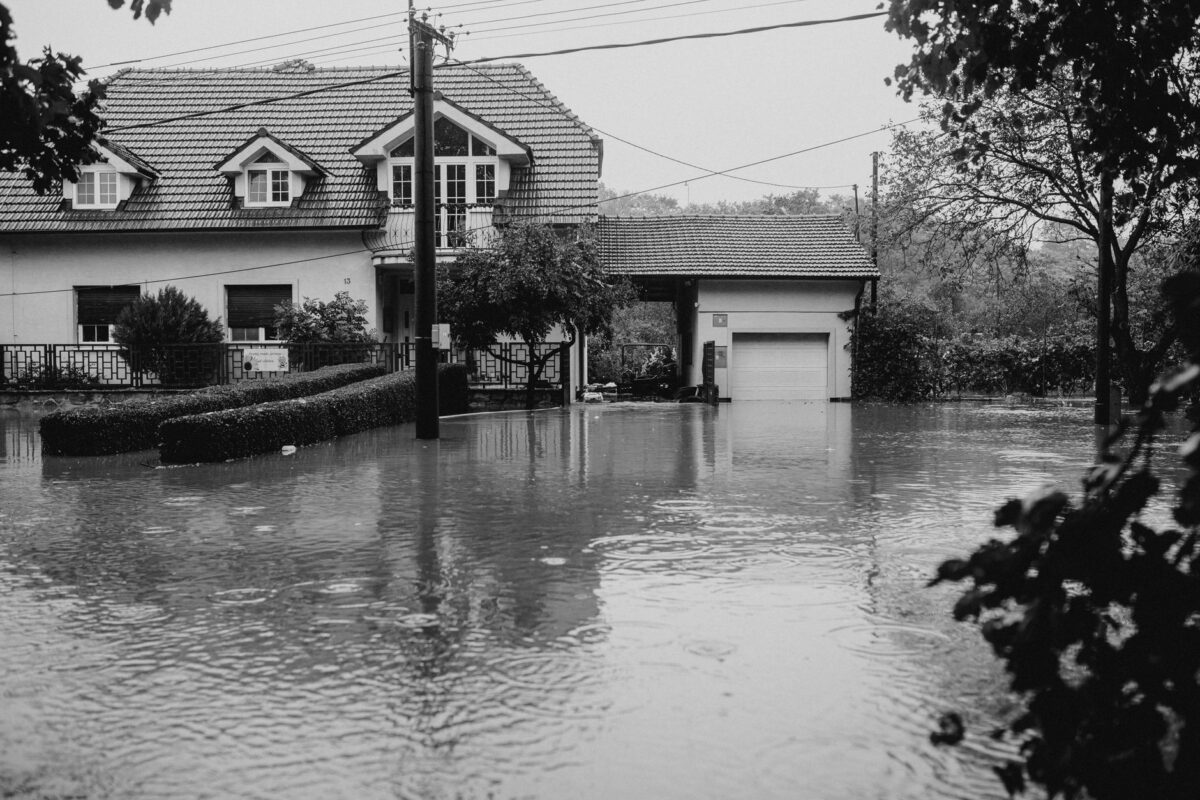
Basement flooding coverage is one of the most misunderstood areas of home insurance. Many homeowners assume their standard policy protects them. It usually does not. According to industry data, 98% of basements will experience water damage at some point. The average insurance payout for water damage claims is nearly $14,000.
However, water damage and freezing account for roughly 28% of all homeowners insurance claims. That makes basement flooding one of the most common — and costly — problems a homeowner can face. Understanding your basement flooding coverage options is essential before disaster strikes. Without the right policy in place, you could be paying thousands out of pocket for cleanup and repairs. In most cases, homeowners need additional endorsements or separate flood policies to be fully protected.
What Standard Homeowners Insurance Does and Does Not Cover
A standard homeowners policy typically covers sudden internal water damage. For example, a burst pipe that floods your basement would usually be covered. However, that is where the protection ends for most policies. External flooding from rain, rivers, or storm surge is almost always excluded. Sewer backup and sump pump failures are also excluded unless you add a specific endorsement. Groundwater seepage is never covered under a standard policy. Many homeowners discover these gaps only after filing a claim. Reviewing your policy exclusions now can save you from a costly surprise later.
Basement flooding coverage through a water backup endorsement is one of the most affordable additions you can make. These endorsements typically cost $50 to $300 per year. They provide $5,000 to $25,000 in protection. Some insurers offer limits up to $50,000 or more. This endorsement covers damage from sewer lines, drain backups, and sump pump failures. It pays for water removal, cleanup, floor and wall repairs, and damaged personal property. As a result, adding this endorsement is one of the smartest moves a homeowner can make.
Understanding Basement Flooding Coverage Through the NFIP
The National Flood Insurance Program (NFIP) provides flood insurance for homeowners. It covers up to $250,000 for the building structure. Contents coverage goes up to $100,000. However, basement flooding coverage under the NFIP has important limits. The NFIP covers foundation walls, electrical systems, HVAC equipment, and major appliances in basements. It does not cover furniture, rugs, or electronics stored below ground. This catches many policyholders off guard.
FEMA’s Risk Rating 2.0 system now sets premiums based on individual property risk. Factors include elevation, distance to water, and replacement cost. Approximately 96% of policyholders see either a decrease or an increase of $20 per month or less. Annual premium increases are capped at 18%. There is a standard 30-day waiting period before coverage takes effect. Homeowners should plan ahead and not wait until storm season to purchase a policy.
| Coverage Type | Annual Cost | Coverage Limit | What It Covers |
|---|---|---|---|
| Standard Homeowners Policy | Included in premium | Varies | Burst pipes, sudden internal leaks only |
| Water/Sewer Backup Endorsement | $50–$300 | $5,000–$50,000 | Sewer, drain, sump pump backup damage |
| NFIP Flood Insurance | $1,077–$1,875 avg. | $250,000 structure / $100,000 contents | External flooding; limited basement contents |
| Private Excess Flood Insurance | Varies | Above NFIP limits | Homes valued over $250,000 |
Steps to Protect Your Home and Get Proper Basement Flooding Coverage
Start by reading the exclusions section of your current homeowners policy. In most cases, you will find that flood and sewer backup are not included. Contact your insurer and ask about adding a water backup endorsement. This is typically the fastest and cheapest way to close the most common coverage gap. The cost is minimal compared to the average basement cleanup bill of $2,000 to $7,000.
Next, check your flood risk using the FEMA Flood Map Service Center. If your property is in a moderate-to-high risk zone, purchase NFIP flood insurance. Allow at least 30 days for the policy to activate. For homes valued above $250,000, consider private excess flood insurance to cover the gap above NFIP limits. Basement flooding coverage from both the NFIP and a water backup endorsement gives you the broadest protection available.
Finally, document everything in your basement. Take photos and video of all stored items. Keep receipts for valuable belongings. This documentation will make the claims process much faster if flooding occurs. Severe contaminated-water events can cost $60,000 or more. Having the right basement flooding coverage in place before an emergency is the only way to avoid that financial hit.
Frequently Asked Questions
Does homeowners insurance cover basement flooding from heavy rain?
🏠 Get Free Home Insurance Guides
Free · No spam · Unsubscribe anytime
No. Standard homeowners insurance excludes flooding from external water sources like rain and storms. However, you can purchase separate flood insurance through the NFIP. A water backup endorsement also adds basement flooding coverage for sewer and drain backups caused by heavy rain.
How much does basement flooding coverage cost?
A water backup endorsement costs $50 to $300 per year. NFIP flood insurance averages $1,077 to $1,875 annually. In most cases, combining both provides the most complete protection for your basement.
Is there a waiting period for flood insurance?
Yes. NFIP flood insurance has a standard 30-day waiting period before it takes effect. As a result, homeowners should purchase basement flooding coverage well before storm season begins. Waiting until a flood watch is issued will leave you unprotected.
Compare Home Insurance Rates
Ready to see if you could be paying less for homeowners insurance? Compare quotes from top insurers in your area. Getting multiple quotes is the most effective way to find a better rate.
(paid link)
Official Sources & Resources
For verified information on home insurance regulations and consumer protection:
- NAIC (National Association of Insurance Commissioners): naic.org
- Insurance Information Institute: iii.org
- FEMA (Federal Emergency Management Agency): fema.gov
- FloodSmart (National Flood Insurance Program): floodsmart.gov
- USA.gov — Housing: usa.gov/housing
Content last reviewed June 2026. If you notice any outdated information, please contact us.