Appliance water damage is one of the most common — and most expensive — homeowners insurance claims in the United States. According to the Insurance Information Institute (III), water damage and freezing claims account for roughly 22.6% of all homeowners insurance claims.
The average water damage claim costs around $12,500 to $15,400. That means a single burst washing machine hose or failed water heater can devastate a home’s floors, walls, and cabinets in minutes. Every year, appliance water damage costs the insurance industry approximately $13 billion. However, not every appliance leak is covered. Understanding the difference between a covered loss and a denied claim can save you thousands of dollars.
What Homeowners Insurance Covers for Appliance Water Damage
Standard homeowners insurance covers appliance water damage when the event is sudden and accidental. For example, a washing machine hose that bursts without warning is typically covered. A water heater that ruptures overnight qualifies too. So does a dishwasher drain line that suddenly fails. In most cases, the policy pays for resulting damage to your floors, drywall, and cabinetry.
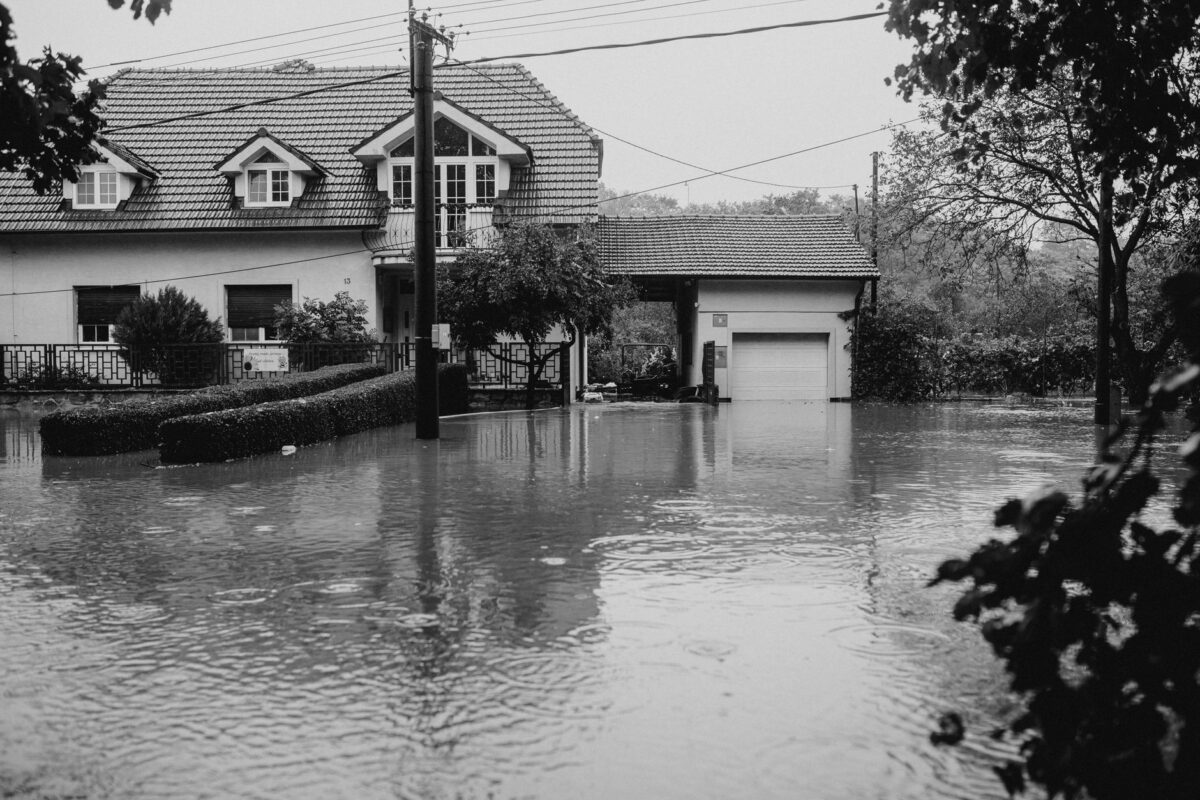
However, your policy does not cover the appliance itself. The broken washing machine or failed water heater is your responsibility to repair or replace. Coverage applies only to the water damage the appliance caused. Additionally, standard policies exclude flood damage from outside sources. That requires a separate National Flood Insurance Program (NFIP) policy from FEMA.
The key language in most policies comes from the National Association of Insurance Commissioners (NAIC). Policies define covered losses as “accidental discharge or overflow of water from within a household appliance.” The test is not the size of the loss. It is how the damage happened.
When Appliance Water Damage Claims Get Denied
Insurance companies deny appliance water damage claims for one main reason: gradual damage. If a refrigerator water line has been slowly dripping for weeks, that is a maintenance issue. Insurers expect homeowners to inspect and maintain their appliances regularly. A slow leak behind a dishwasher that causes mold over several months will almost certainly be denied.
The table below shows common appliance failures and whether they are typically covered.
| Scenario | Covered? | Reason |
|---|---|---|
| Washing machine hose bursts suddenly | Yes | Sudden and accidental |
| Water heater ruptures unexpectedly | Yes | Sudden and accidental |
| Refrigerator line leaks slowly for months | No | Gradual damage / neglect |
| Dishwasher leaks due to worn gasket | No | Maintenance issue |
| Ice maker supply line snaps | Yes | Sudden and accidental |
| Known leaky hose left unrepaired | No | Homeowner negligence |
Washing machine hoses typically fail after 8 to 9 years of use. Water heaters have a 75% failure rate before the 12-year mark. As a result, insurers look closely at the age and maintenance history of appliances. Replacing hoses and inspecting connections regularly can prevent both damage and claim denials.
How to File a Claim and Protect Your Home from Appliance Water Damage
If you discover appliance water damage, act immediately. First, shut off the water supply to the appliance. Then turn off electricity in the affected area to prevent hazards. Document everything with photos and video before cleaning up. Contact your insurance company within 24 hours. Most insurers require prompt reporting of any water damage.
Before filing, consider your deductible. Standard homeowners deductibles range from $500 to $2,500. If your damage is close to the deductible amount, filing may not be worth it. A claim on your record can increase premiums or even trigger non-renewal in some states. For example, a $700 repair with a $1,000 deductible means you pay out of pocket anyway.
To prevent appliance water damage in the future, inspect washing machine hoses every year. Replace rubber hoses with braided stainless steel versions. Install a water leak detector near your water heater and dishwasher. These sensors cost $20 to $50 and can alert you before a small drip becomes a major loss. Typically, 1 in 67 insured homes files a water damage claim each year. Simple maintenance can keep you out of that statistic.
🏠 Get Free Home Insurance Guides
Free · No spam · Unsubscribe anytime
Frequently Asked Questions
Does homeowners insurance cover a leaking washing machine?
In most cases, yes — if the leak was sudden and accidental. For example, a burst supply hose is covered. However, if the washing machine has been leaking slowly due to a worn seal, the insurer will likely deny the claim as a maintenance issue.
Will insurance pay for appliance water damage if I was on vacation?
Typically, yes. Being away from home does not void your coverage for sudden appliance failures. However, some policies require that you maintain heat during winter months to prevent pipe freezing. As a result, check your policy for any vacancy or unoccupied-home clauses before traveling.
Does insurance replace the appliance that caused the water damage?
No. Homeowners insurance covers the resulting damage to your home — floors, walls, and personal property. However, the broken appliance itself is not covered. You will need to pay for appliance repair or replacement separately. For example, a new water heater costs $800 to $2,000, which comes out of your own pocket.
Compare Home Insurance Rates
Ready to see if you could be paying less for homeowners insurance? Compare quotes from top insurers in your area. Getting multiple quotes is the most effective way to find a better rate.
(paid link)
Official Sources & Resources
For verified information on home insurance regulations and consumer protection:
- NAIC (National Association of Insurance Commissioners): naic.org
- Insurance Information Institute: iii.org
- FEMA (Federal Emergency Management Agency): fema.gov
- FloodSmart (National Flood Insurance Program): floodsmart.gov
- USA.gov — Housing: usa.gov/housing
Content last reviewed June 2026. If you notice any outdated information, please contact us.