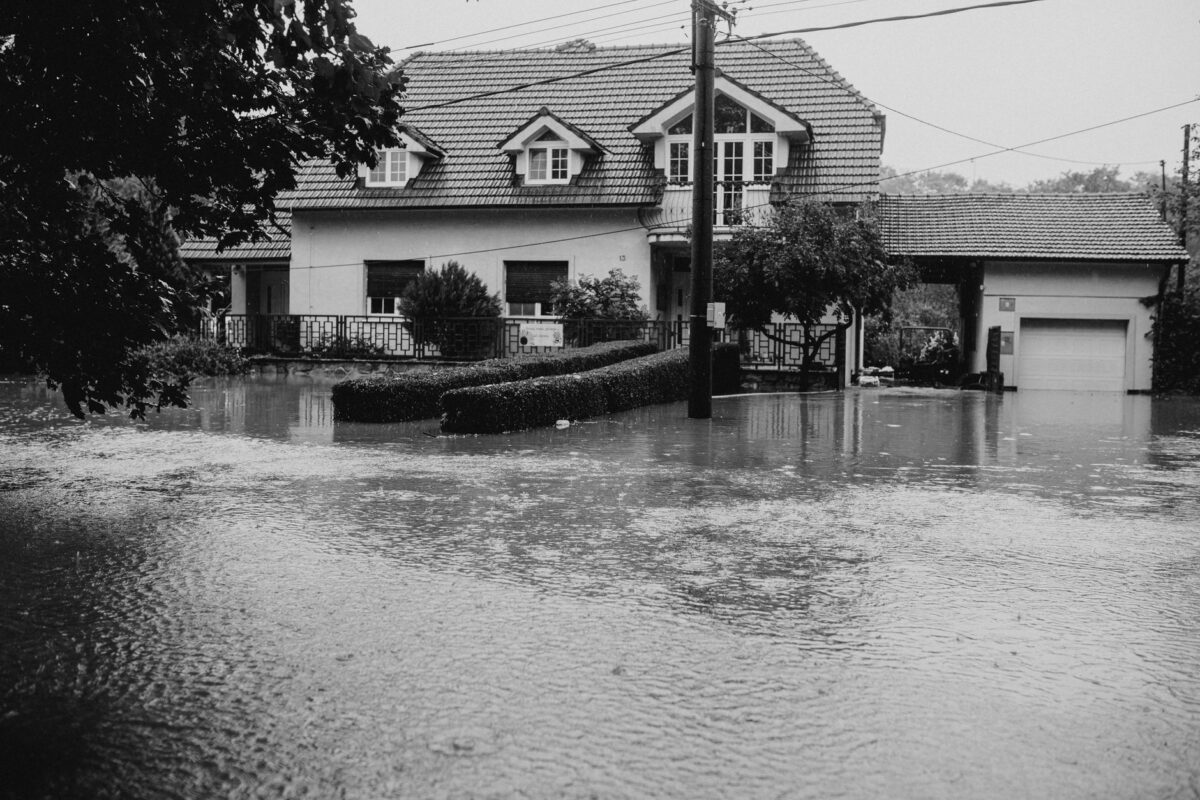
Fair plan insurance provides a safety net for homeowners who cannot find coverage in the private market. These state-run programs serve as insurers of last resort. They exist in 34 states plus Washington, D.C.
The concept began with the federal Urban Property Insurance Protection and Reinsurance Act of 1968. Originally, fair plan insurance addressed redlining in urban neighborhoods after the civil unrest of the late 1960s. Today, these programs mostly serve homes in wildfire zones, coastal areas, and other high-risk locations. In California alone, FAIR Plan policies surged 74% between September 2023 and March 2025 — reaching over 573,000 active policies. If your home sits in a high-risk area and private insurers have turned you down, fair plan insurance may be your only path to property protection.
What Fair Plan Insurance Covers — and What It Doesn’t
Fair plan insurance covers basic property perils. Every state plan includes fire, lightning, smoke damage, and internal explosion. Most also cover vandalism, riot, and windstorm. However, these policies are far more limited than a standard homeowners (HO-3) policy. Personal liability is not included in any FAIR Plan. Theft, water damage, and earthquake coverage are typically excluded as well.
As a result, most homeowners pair their FAIR Plan with a Difference in Conditions (DIC) policy. The DIC fills gaps like theft, liability, and water damage. Together, these two policies approximate the protection of a standard homeowners policy. For example, a California homeowner might pay around $3,200 per year for a FAIR Plan plus DIC — compared to roughly $1,429 for a national average standard policy.
Coverage limits vary by state. In California, the FAIR Plan covers up to $3 million per dwelling for residential properties. Some states offer lower maximums. Flood insurance always requires a separate policy through the National Flood Insurance Program (NFIP).
How to Qualify for Fair Plan Insurance
You cannot simply choose a FAIR Plan over private coverage. These programs require proof that the private market has rejected you. In most states, you must show denial letters from at least two private insurers. Indiana requires three denials. Only then can you apply through a licensed insurance agent or directly through your state’s plan.
Your property must also meet basic insurability standards. It needs working plumbing and electrical systems. The roof must be intact. The home cannot be vacant more than half the year. Properties with outstanding tax liens, condemned status, or connections to illegal activity are disqualified. In addition, homeowners with arson convictions or more than eight paid claims in the past three years may be turned away.
The application process typically involves a property inspection. Some states now allow online applications. Processing times range from a few days to several weeks depending on the state. For example, the Texas FAIR Plan Association processes most applications within 10 business days.
Fair Plan Insurance Costs and the Growing Demand
Fair plan insurance premiums typically run 30% to 50% higher than standard homeowners policies. In California, annual costs range from $92 in low-risk areas to over $32,000 in the most wildfire-prone ZIP codes. The average California FAIR Plan policy costs between $2,800 and $3,000 per year as of early 2025.
Demand has skyrocketed in recent years. California’s FAIR Plan premium volume exploded from $87.2 million in 2018 to $1.4 billion in 2024 — a sixteenfold increase. Policy counts grew 276% over the same period. Florida’s Citizens Property Insurance, the state’s equivalent program, held roughly 1.5 million policies as of 2023. These numbers reflect a broader trend of private insurers pulling out of high-risk states.
In response, California enacted major reforms. Nine new insurance laws took effect on January 1, 2026. These include wildfire safety grant programs, expanded insurance discounts, and faster claim payouts for wildfire survivors. The California Department of Insurance also proposed the “Make It FAIR Act” in 2026 to improve claims handling and expand coverage options. However, experts warn that fair plan insurance was never designed to be a long-term solution for millions of homeowners.
Steps to Take If You Need a FAIR Plan
First, document your denials from private insurers. Keep every rejection letter. Then contact a licensed insurance agent in your state who handles FAIR Plan applications. The National Association of Insurance Commissioners (NAIC) maintains a directory of state insurance departments where you can verify your state’s program details.
🏠 Get Free Home Insurance Guides
Free · No spam · Unsubscribe anytime
Next, prepare your property for inspection. Fix any obvious hazards — faulty wiring, damaged roofing, or overgrown vegetation near the structure. In wildfire-prone areas, creating defensible space around your home can lower your premium. California now mandates wildfire mitigation discounts for participating insurers.
Finally, budget for supplemental coverage. A FAIR Plan alone leaves significant gaps. A DIC policy typically adds $200 to $600 per year but closes the coverage holes for liability, theft, and water damage. Review your total insurance package annually. As private insurers re-enter markets, you may eventually qualify for a standard policy with broader protection and lower costs.
Frequently Asked Questions
Is fair plan insurance the same as regular homeowners insurance?
No. Fair plan insurance covers only basic perils like fire, smoke, and windstorm. It does not include liability, theft, or water damage. As a result, most homeowners need a supplemental DIC policy to match the protection of a standard HO-3 homeowners policy.
How much does fair plan insurance cost compared to standard coverage?
Typically, fair plan insurance costs 30% to 50% more than a standard policy. For example, the national average homeowners premium is about $1,429 per year. In contrast, a California FAIR Plan policy averages $2,800 to $3,000 annually — before adding supplemental coverage.
Can I switch from a FAIR Plan back to a private insurer?
Yes. FAIR Plans are designed as temporary coverage. You should shop for private insurance each renewal period. In most cases, if market conditions improve or you reduce your home’s risk factors, private carriers may offer you a policy again. Your state insurance department can help you compare options.
Compare Home Insurance Rates
Ready to see if you could be paying less for homeowners insurance? Compare quotes from top insurers in your area. Getting multiple quotes is the most effective way to find a better rate.
(paid link)
Official Sources & Resources
For verified information on home insurance regulations and consumer protection:
- NAIC (National Association of Insurance Commissioners): naic.org
- Insurance Information Institute: iii.org
- FEMA (Federal Emergency Management Agency): fema.gov
- FloodSmart (National Flood Insurance Program): floodsmart.gov
- USA.gov — Housing: usa.gov/housing
Content last reviewed June 2026. If you notice any outdated information, please contact us.