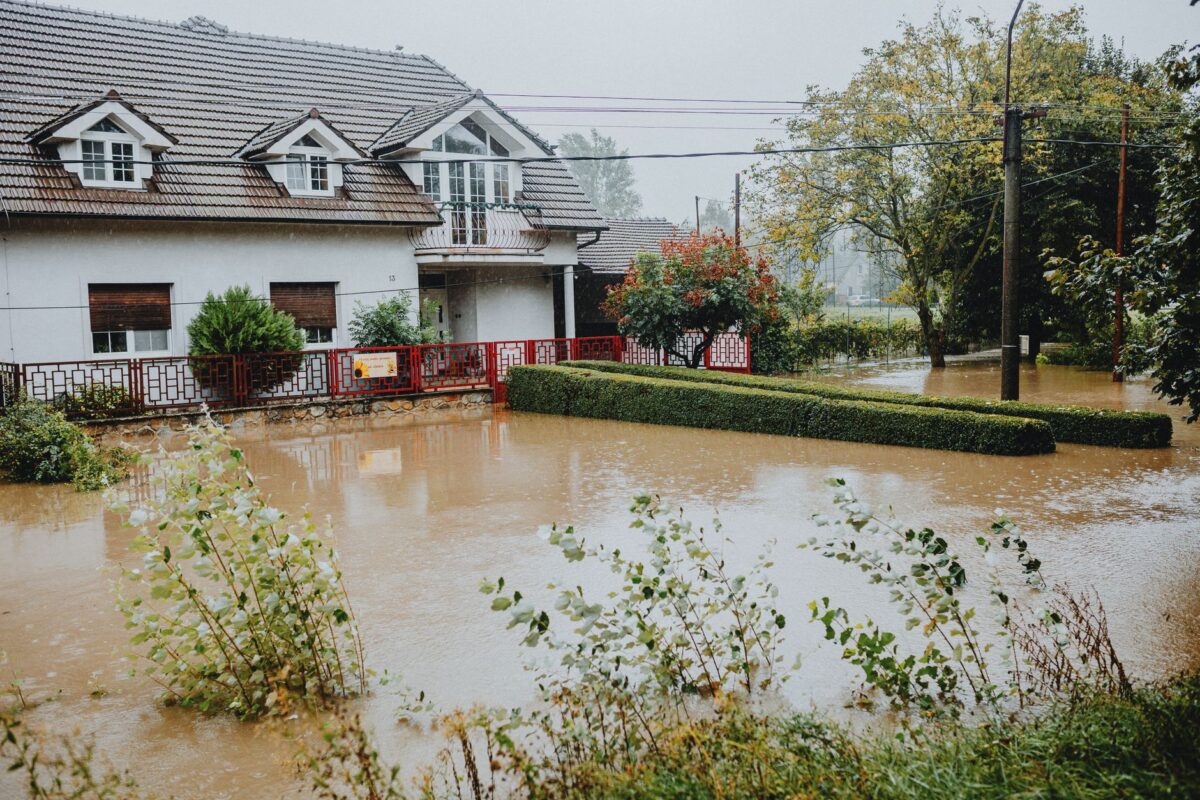
Flood zone insurance is one of the most misunderstood — and most critical — forms of property coverage in the United States. Standard homeowners insurance does not cover flood damage. This surprises many homeowners who assume their existing policy protects them. In reality, flood damage requires a completely separate policy. Whether you live near a river, along the coast, or in a low-lying area, flood zone insurance determines how you recover financially after a flood event. According to the Table of Contents
iii.org/article/facts-about-flood-insurance”>Insurance Information Institute, floods are the most common and costly natural disaster in the country. The average annual flood damage in the U.S. reaches $46 billion, based on Congressional Budget Office estimates. Understanding your flood zone insurance options is essential before disaster strikes — not after.
Understanding Flood Zones and Flood Zone Insurance Requirements
FEMA assigns every property in the U.S. a flood zone designation. These zones appear on Flood Insurance Rate Maps (FIRMs) and directly affect your insurance requirements. High-risk zones include Zone A and Zone V. Properties in these areas face at least a 1% annual chance of flooding. Zone V adds coastal storm wave hazards of three feet or more. If you have a federally backed mortgage in these zones, flood zone insurance is legally required.
However, moderate-risk zones (Zone B or shaded Zone X) and low-risk zones (Zone C or unshaded Zone X) also deserve attention. Over 20% of all National Flood Insurance Program claims come from properties outside high-risk areas. In most cases, homeowners in these zones skip coverage because it is not mandatory. That decision can be financially devastating.
You can check your flood zone for free on FloodSmart.gov. Knowing your zone is the first step toward choosing the right flood zone insurance policy.
NFIP vs. Private Flood Zone Insurance — Costs and Coverage
The primary source of flood zone insurance is the National Flood Insurance Program (NFIP), managed by FEMA. The NFIP covers up to $250,000 for building structure and $100,000 for contents. The national average annual premium is approximately $926. However, premiums vary significantly based on individual property risk under FEMA’s Risk Rating 2.0 system, which took full effect on April 1, 2023.
Risk Rating 2.0 replaced the old zone-based pricing model. Premiums now reflect distance to water, foundation type, floor elevation, replacement cost, and claims history. As a result, 23% of policyholders received immediate decreases. The remaining 77% saw increases, though 96% of those increases were $20 per month or less. Annual rate increases are capped at 18% for existing policyholders.
| Coverage Feature | NFIP | Private Flood Insurance |
|---|---|---|
| Building Coverage Limit | $250,000 | Varies — often $500K+ |
| Contents Coverage Limit | $100,000 | Varies — often $250K+ |
| Additional Living Expenses | Not included | Often included |
| Waiting Period | 30 days | Typically 14–30 days |
| Average Annual Cost | ~$926 | Varies by insurer |
The private flood insurance market has grown rapidly. As of 2024, roughly 569,000 residential private flood policies were in force — nearly double the 2020 figure. Private insurers now cover about 27% of the U.S. market. For example, private policies may offer higher coverage limits, additional living expenses, and faster claims processing. For homeowners with property values above $250,000, private flood zone insurance or excess flood policies fill the gap that the NFIP cannot.
How to Buy Flood Zone Insurance — Steps and Timing
Purchasing flood zone insurance requires planning ahead. Standard NFIP policies have a 30-day waiting period before coverage begins. There are limited exceptions. If you purchase a policy at the time of a new mortgage closing, the waiting period is waived. If your property is newly mapped into a high-risk zone, you have a one-day waiting period if you buy within 12 months. Typically, you cannot buy flood insurance right before a storm and expect coverage.
To get started, take these steps. First, check your flood zone on FEMA’s map tool. Second, contact your homeowners insurance agent — most can write NFIP policies directly. Third, compare quotes from private flood insurers for potentially better rates or higher limits. Fourth, review your mortgage requirements. If you are in Zone A or V with a federally backed loan, flood zone insurance is mandatory. Finally, consider excess flood coverage if your home’s value exceeds the NFIP’s $250,000 building limit.
In 2024, the NFIP paid out approximately $8 billion in claims. Hurricane Helene alone generated over 57,400 claims totaling $4.5 billion. These numbers underscore why acting early matters. The average claim payment was $33,905 — helpful, but rarely enough to rebuild without adequate flood zone insurance limits in place.
🏠 Get Free Home Insurance Guides
Free · No spam · Unsubscribe anytime
Frequently Asked Questions
Is flood zone insurance required if I don’t have a mortgage?
No. The mandatory purchase requirement applies only to properties in high-risk zones with federally backed mortgages. However, FEMA strongly recommends coverage regardless. Over 20% of claims come from outside high-risk areas, so flood zone insurance is a smart investment even without a lender requirement.
How much does flood zone insurance cost on average?
The national average NFIP premium is about $926 per year. However, costs vary widely under Risk Rating 2.0. High-risk coastal properties may pay $1,600 or more annually. In most cases, low-risk properties pay considerably less. Private insurers may offer competitive alternatives depending on your specific risk profile.
Can I get flood insurance if I’m not in a flood zone?
Yes. Any property owner can purchase flood zone insurance through the NFIP or a private insurer. Typically, premiums are lower for properties in moderate- or low-risk zones. For example, FEMA’s Preferred Risk Policy offers reduced rates for eligible low-risk homes. Given that floods can happen anywhere, coverage is worth considering even in Zone X areas.
Compare Home Insurance Rates
Ready to see if you could be paying less for homeowners insurance? Compare quotes from top insurers in your area. Getting multiple quotes is the most effective way to find a better rate.
(paid link)
Official Sources & Resources
For verified information on home insurance regulations and consumer protection:
- NAIC (National Association of Insurance Commissioners): naic.org
- Insurance Information Institute: iii.org
- FEMA (Federal Emergency Management Agency): fema.gov
- FloodSmart (National Flood Insurance Program): floodsmart.gov
- USA.gov — Housing: usa.gov/housing
Content last reviewed June 2026. If you notice any outdated information, please contact us.