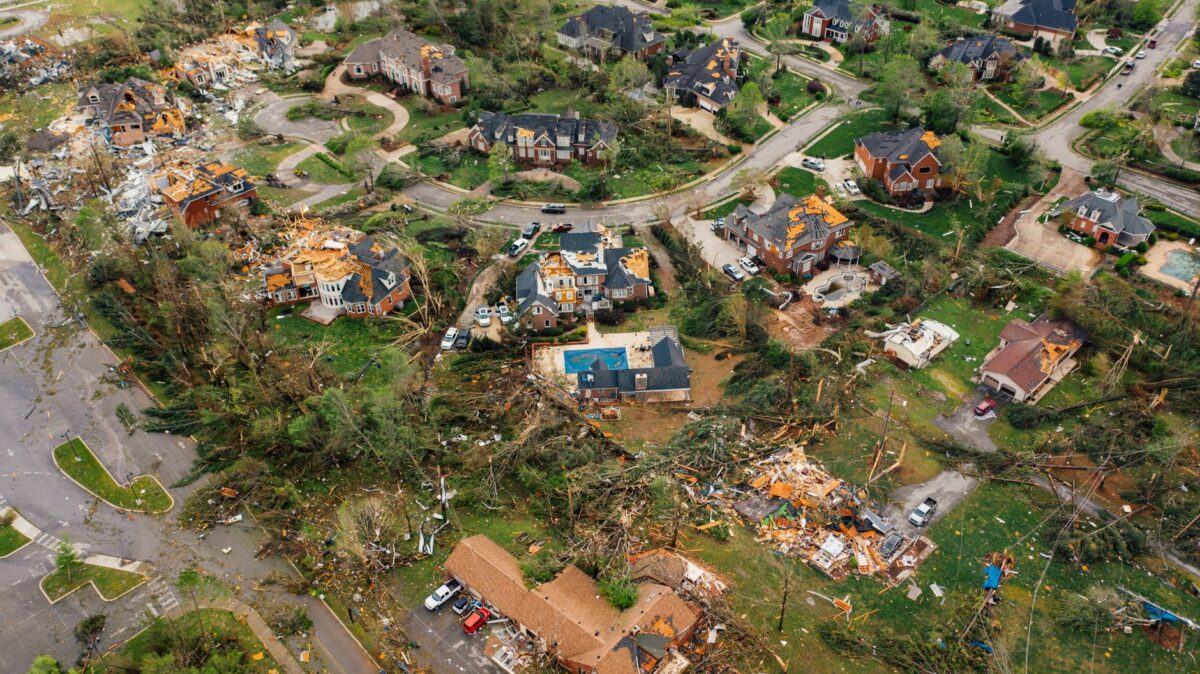
Tornado alley insurance is one of the most important—and expensive—decisions homeowners face in the central United States. States like Oklahoma, Kansas, Texas, and Nebraska see far more tornadoes than the national average. In 2025 alone, over 1,010 tornadoes were reported through late May—40% above the 15-year average. The financial damage is staggering. Severe convective storms caused an estimated $51 billion in insured losses in just the first half of 2025.
For homeowners, understanding tornado alley insurance is not optional. It is essential. Annual premiums in these states run two to three times the national average. However, the right coverage strategy can protect both your home and your budget. This guide breaks down costs, coverage gaps, and practical steps to get the protection you need.
What Does Tornado Alley Insurance Actually Cover?
A standard homeowners policy in Tornado Alley covers most wind and debris damage. This includes structural damage to your dwelling, destroyed personal property, and detached structures like garages and fences. If your home becomes uninhabitable, additional living expenses (ALE) coverage pays for temporary housing and meals. In most cases, a standard HO-3 policy provides solid tornado protection without a separate rider.
However, there are critical gaps. Flooding caused by tornado-driven rain is not covered. You need a separate National Flood Insurance Program (NFIP) policy or a private flood policy for that risk. Cosmetic-only damage to siding or fencing may also be excluded. Some insurers deny claims on roofs with pre-existing wear. As a result, reviewing your tornado alley insurance policy annually is essential to avoid surprise gaps.
Earth movement triggered by storms is another common exclusion. For example, if a tornado causes a landslide that damages your foundation, your standard policy likely will not pay. Understanding these limitations is the first step toward building complete tornado alley insurance coverage.
Tornado Alley Insurance Costs: State-by-State Breakdown
Premiums in Tornado Alley are significantly higher than the national average of roughly $2,395 per year. Oklahoma leads with an average annual premium of $7,255—more than triple the national figure. Nebraska follows at $6,015, Kansas at $5,455, and Texas at $4,915. These numbers have been climbing fast. Oklahoma saw a 24% rate increase in the past year alone. Texas premiums rose 14% in 2025.
| State | Avg. Annual Premium | Above National Avg. |
|---|---|---|
| Oklahoma | $7,255 | +203% |
| Nebraska | $6,015 | +151% |
| Kansas | $5,455 | +128% |
| Texas | $4,915 | +105% |
A major cost driver in tornado alley insurance is the wind and hail deductible. Unlike a flat dollar amount, these deductibles are percentage-based—typically 1% to 5% of your dwelling coverage. On a $300,000 home, a 2% deductible means $6,000 out of pocket before coverage kicks in. In high-risk ZIP codes, some carriers now mandate 5% to 10% wind deductibles. Typically, choosing a higher deductible lowers your annual premium. However, you must be prepared for larger out-of-pocket costs after a storm.
Some carriers are also non-renewing policies in the hardest-hit areas of Oklahoma and Kansas. This reduces competition and pushes remaining tornado alley insurance rates even higher. Shopping multiple carriers annually is now more important than ever.
How to Lower Your Tornado Alley Insurance Premiums
Wind mitigation upgrades offer the biggest savings. A professional wind mitigation inspection costs $75 to $150 and can qualify you for discounts of 10% to 40% on the wind portion of your premium. For example, installing hurricane straps or clips to reinforce roof-to-wall connections is one of the most cost-effective improvements. Hip roofs can lower premiums by up to 20% compared to gable roofs. Impact-rated windows or storm shutters may save $300 to $500 per year.
Beyond structural upgrades, bundling your home and auto policies typically saves 10% to 15%. Raising your wind and hail deductible from 1% to 5% significantly reduces your annual cost. However, only do this if you have savings to cover the higher out-of-pocket expense. Review your tornado alley insurance quotes from at least three carriers every renewal period. Rate competition varies widely, and switching can save hundreds.
Finally, consider your roof material. The Insurance Information Institute (III) notes that impact-resistant roofing (Class 4 shingles) qualifies for meaningful discounts in most Tornado Alley states. Sealing the roof deck adds another 10% to 15% in savings. These investments in tornado alley insurance cost reduction pay for themselves within a few years.
Frequently Asked Questions
Does standard homeowners insurance cover tornado damage?
🏠 Get Free Home Insurance Guides
Free · No spam · Unsubscribe anytime
Yes, in most cases a standard HO-3 policy covers wind and debris damage from tornadoes. However, flood damage from tornado-driven rain requires a separate flood policy. Always review your tornado alley insurance policy to confirm wind coverage is included without a sublimit.
Why is tornado alley insurance so expensive?
Severe storm frequency drives costs up. For example, Oklahoma recorded 151 tornadoes and 767 hailstorms in 2024 alone. Insurers pass those claim costs on through higher premiums. As a result, tornado alley insurance rates are two to three times the national average in the hardest-hit states.
What is a wind and hail deductible?
It is a percentage-based deductible—typically 1% to 5% of your home’s insured value—that applies specifically to wind and hail claims. For example, a 2% deductible on a $300,000 home means you pay $6,000 before tornado alley insurance coverage begins. Choosing a higher percentage lowers your premium but increases your out-of-pocket risk.
Is Tornado Alley shifting?
Yes. According to NOAA and recent research, the geographic center of U.S. tornado activity has moved eastward into the Mississippi Valley and Southeast. Tennessee recorded 60 tornadoes in 2025—a tied all-time state record. Homeowners in these expanding risk zones should reassess their tornado alley insurance needs promptly.
Compare Home Insurance Rates
Ready to see if you could be paying less for homeowners insurance? Compare quotes from top insurers in your area. Getting multiple quotes is the most effective way to find a better rate.
(paid link)
Official Sources & Resources
For verified information on home insurance regulations and consumer protection:
- NAIC (National Association of Insurance Commissioners): naic.org
- Insurance Information Institute: iii.org
- FEMA (Federal Emergency Management Agency): fema.gov
- FloodSmart (National Flood Insurance Program): floodsmart.gov
- USA.gov — Housing: usa.gov/housing
Content last reviewed June 2026. If you notice any outdated information, please contact us.