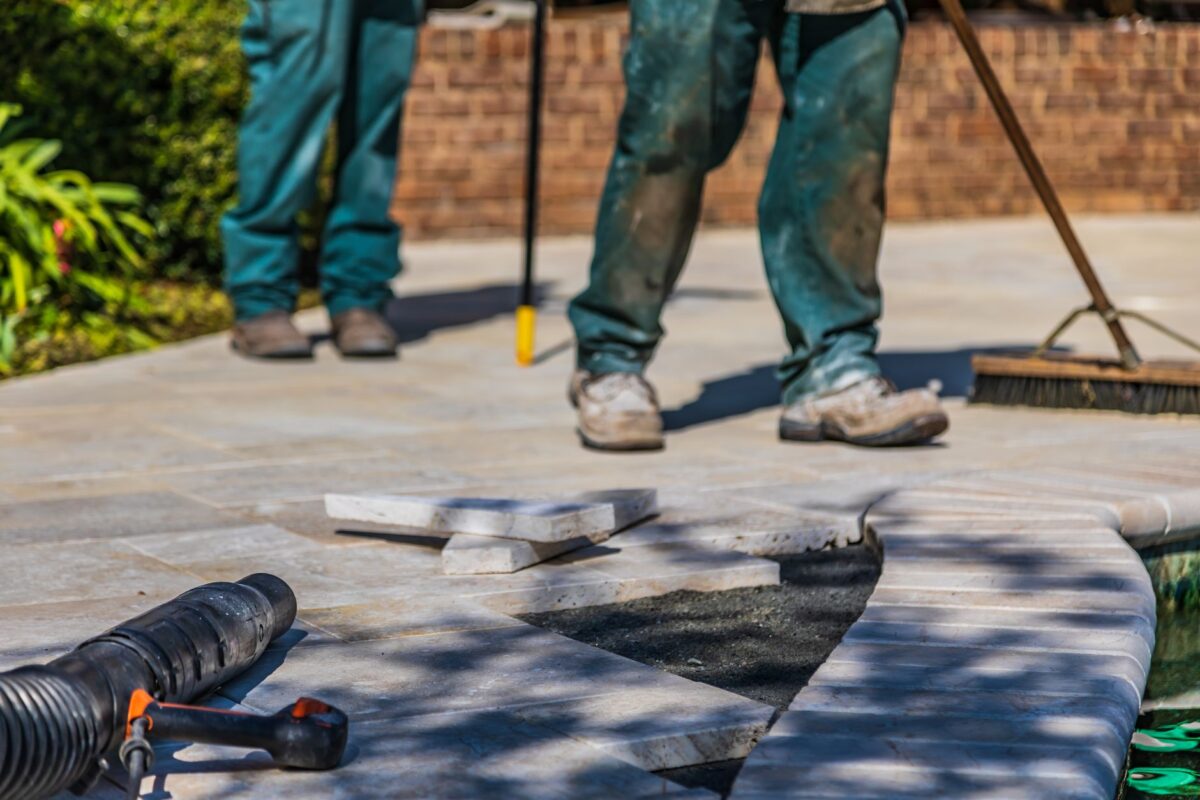
A home warranty pool spa plan is an optional add-on that covers the mechanical equipment keeping your backyard water running. It is not insurance. Homeowners insurance pays when a covered peril damages the pool structure. A warranty pool spa contract pays when the pump, heater, or filter simply breaks down from normal use. That difference matters.
Pool equipment fails often, and repairs are expensive. A new pool pump costs most homeowners around $1,300 installed. A replacement heater runs $1,500 to $6,000, with typical all-in jobs landing between $2,000 and $4,500. Filters cost $250 to $1,700. For many owners, one failure equals several years of add-on premium. Understanding what a warranty pool spa rider actually includes helps you decide before you sign.
What a warranty pool spa add-on actually covers
Most contracts cover the mechanical guts of the system. That typically means the pump, motor, heater, filtration system, plumbing pipes, valves, wiring, and above-ground pool piping. Some plans add the blower, air switch, and pool sweep motor. In most cases, the pool and attached spa share one heater and one filtration system. As a result, insurers usually bundle them into a single warranty pool spa line item rather than two separate charges.
Exclusions are where homeowners get surprised. Standard warranty pool spa contracts exclude the pool shell, tile, liner, coping, decking, and cracked concrete. They also exclude lights, solar equipment, jets, disposable filter media, and salt cells on many plans. Cleaning, chemical balancing, and water loss are never covered. Pre-existing failures are excluded too, which is why some companies require an inspection first.
Detached spas and portable hot tubs are often not included. For example, a plug-in hot tub on a deck may need its own rider. However, an in-ground spa sharing the pool equipment pad is normally covered under the same clause.
What it costs and how claims work
Pricing varies by water type. Freshwater in-ground systems typically add $15 to $18 per month. Saltwater systems add $29 to $33 per month, because salt chlorine generators corrode faster. A mid-tier base plan runs roughly $720 per year. With a pool rider, expect closer to $900 or more annually.
You also pay a service fee per visit. Trade call fees generally run $65 to $150. Most plans cap pool and spa payouts separately from the main plan. Caps of $1,000 to $2,000 per contract term are common, and some cap by system rather than by claim.
| Item | Typical range |
|---|---|
| Freshwater warranty pool spa add-on | $15–$18 per month |
| Saltwater add-on | $29–$33 per month |
| Service call fee | $65–$150 per visit |
| Common annual payout cap | $1,000–$2,000 |
| Pump replacement (out of pocket) | $900–$2,600 |
| Heater replacement (out of pocket) | $1,500–$6,000 |
Do the math before buying. A saltwater warranty pool spa rider at $33 monthly costs $396 a year. One covered heater failure easily exceeds that. However, if your cap is $1,500 and the heater costs $4,000, you still pay the difference.
How this fits with your homeowners policy
Your warranty and your insurance solve different problems. In-ground pools are usually covered under Coverage B, other structures, which is typically 10% of your dwelling limit. That coverage responds to fire, hail, falling trees, and vandalism. It does not respond to a worn-out pump motor.
Liability is the bigger exposure. The Insurance Information Institute notes that pools are treated as an attractive nuisance. Base homeowners liability often starts at $100,000. For pool owners, $300,000 to $500,000 is a common recommendation. An umbrella policy adds $1 million or more, usually for a few hundred dollars a year. No warranty pool spa contract provides any liability protection at all.
Take three steps this week. First, pull your declarations page and confirm your other structures limit and liability limit. Second, ask your carrier whether your fencing meets state barrier rules; the U.S. Consumer Product Safety Commission publishes barrier guidance many insurers follow. Third, request the full sample contract for any warranty pool spa plan and read the exclusions page before the sales call ends.
🏠 Get Free Home Insurance Guides
Free · No spam · Unsubscribe anytime
Frequently Asked Questions
Does homeowners insurance cover a broken pool pump?
Typically no. Insurance covers sudden damage from a listed peril, not mechanical wear. A warranty pool spa add-on is the product designed for breakdowns.
Is a pool warranty add-on worth it?
It depends on equipment age. For example, systems over eight years old fail more often, so the math usually works. However, on a two-year-old variable-speed pump still under manufacturer warranty, coverage often overlaps.
Can I buy pool coverage without a full home warranty plan?
In most cases, no. Providers sell it only as a rider on a base plan. As a result, your true cost includes both the base premium and the add-on.
Will a warranty pool spa plan cover an old, leaking pool?
No. Structural leaks, cracked shells, and liners are excluded on nearly every contract. Pre-existing conditions are also denied, so buy coverage while equipment still works.
Compare Home Insurance Rates
Ready to see if you could be paying less for homeowners insurance? Compare quotes from top insurers in your area. Getting multiple quotes is the most effective way to find a better rate.
(paid link)
Official Sources & Resources
For verified information on home insurance regulations and consumer protection:
- NAIC (National Association of Insurance Commissioners): naic.org
- Insurance Information Institute: iii.org
- FEMA (Federal Emergency Management Agency): fema.gov
- FloodSmart (National Flood Insurance Program): floodsmart.gov
- USA.gov — Housing: usa.gov/housing
Content last reviewed August 2026. If you notice any outdated information, please contact us.