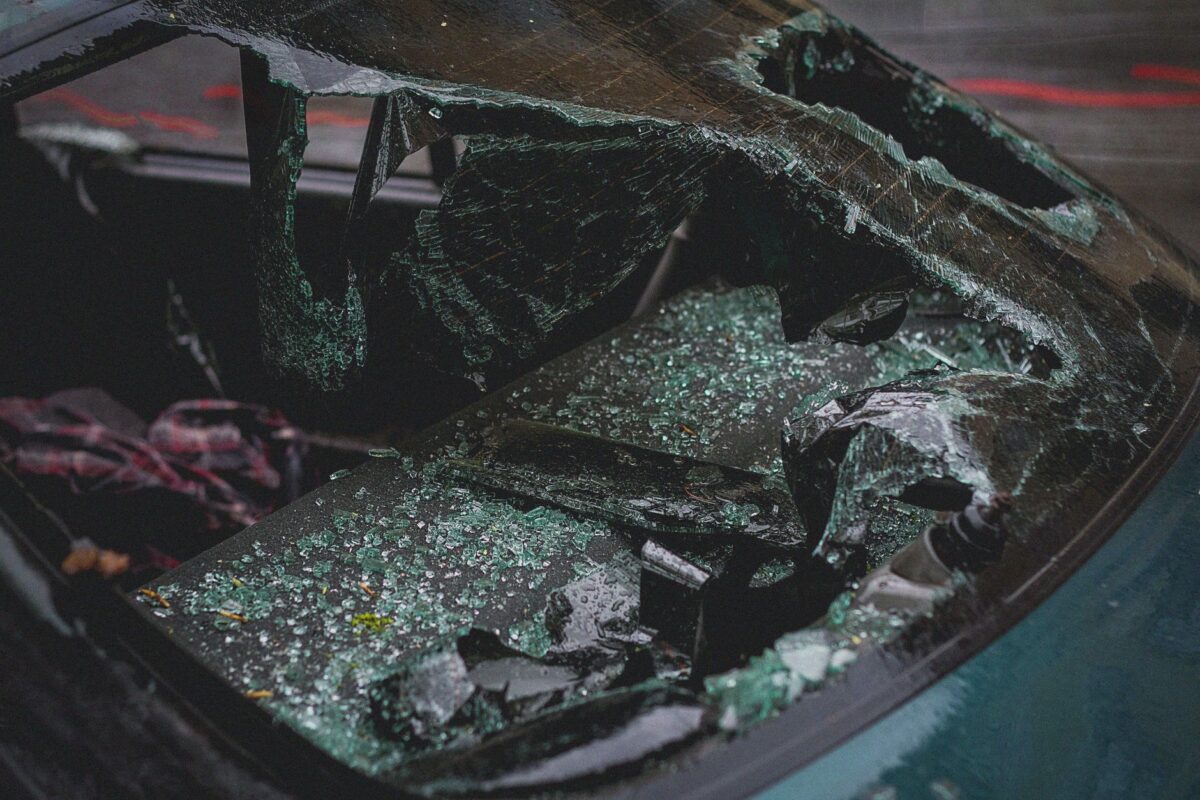
Car hits house accidents happen more often than most homeowners expect. The Storefront Safety Council estimates vehicles crash into buildings up to 100 times per day in the United States. Many of those buildings are private homes. A driver may lose control on an icy road.
A teen may hit the gas instead of the brake. A neighbor may back out of a driveway too fast. When a car hits house walls, the damage can be serious. Foundations crack, garage doors collapse, and families may need to move out. Knowing who pays when a car hits house property helps you act quickly and avoid costly mistakes.
Who Pays When a Car Hits House Property?
In most cases, the driver’s auto insurance pays first. Every state except New Hampshire requires drivers to carry property damage liability coverage or prove they can pay. That coverage pays for damage the driver causes to other people’s property, and that includes your home. However, state minimums can be very low. Some states require only $5,000 to $25,000 in property damage liability. A serious crash can easily cost more than that to repair.
Your homeowners policy also protects you. A standard HO-3 policy lists “vehicles” as a named peril. As a result, dwelling coverage typically pays to repair your home after a car hits house siding, walls, or foundations. The Insurance Information Institute confirms that standard homeowners policies cover damage from vehicles. Your insurer can then try to recover its costs from the driver’s insurer. This process is called subrogation.
There is one key exception. If you or someone in your household drives the car, coverage gets more complicated. Many homeowners policies exclude damage caused by a vehicle owned or operated by a resident. In that case, the claim may fall to your own auto policy’s collision coverage. However, collision coverage pays for the car, not the house. Check your policy wording carefully.
Coverage Breakdown: What Each Policy Pays
Several types of coverage can apply when a car hits house structures. Each one pays for a different part of the loss. For example, your home’s walls fall under dwelling coverage. A detached garage or fence falls under other structures coverage. Damaged furniture falls under personal property coverage. The table below shows how these coverages typically work.
| Coverage Type | What It Pays For | Typical Limit or Cost |
|---|---|---|
| Driver’s property damage liability | Repairs to your home and belongings | State minimums often $5,000–$25,000 |
| Homeowners dwelling coverage (Coverage A) | Walls, roof, foundation, attached garage | Up to your dwelling limit, minus deductible |
| Other structures (Coverage B) | Fences, sheds, detached garages, mailboxes | Typically 10% of dwelling limit |
| Personal property (Coverage C) | Furniture, electronics, belongings inside | Typically 50%–70% of dwelling limit |
| Loss of use (Coverage D) | Hotel, meals, and extra living costs | Often 20% of dwelling limit |
Your deductible matters too. Most homeowners deductibles range from $500 to $2,000. If you file with your own insurer, you pay that amount first. However, if your insurer wins the subrogation claim, you may get your deductible back. Filing directly with the driver’s insurer avoids the deductible entirely. As a result, many homeowners start with the at-fault driver’s policy.
Hit-and-run crashes create another problem. If a car hits house property and the driver flees, there is no liability policy to claim. In most cases, your homeowners policy still covers the damage under the vehicles peril. You will pay your deductible. A police report helps support the claim.
What to Do After a Vehicle Damages Your Home
Safety comes first. Get everyone out of the damaged area. A car hits house framing with enough force to weaken load-bearing walls. Do not re-enter until a professional confirms the structure is safe. Call 911 if anyone is injured or if gas lines are damaged. Then call the police so an officer can file an accident report.
Next, gather information at the scene. Collect the driver’s name, phone number, license plate, and insurance company. Get the policy number if possible. Take clear photos and videos of the vehicle, the damage, and the surrounding area. For example, photograph skid marks, broken fences, and damaged landscaping. Also write down names of any witnesses.
Then contact both insurers quickly. Report the claim to the driver’s insurer and notify your own homeowners insurer. Most policies require “prompt” notice of a loss. Delays can hurt your claim. Make temporary repairs to prevent further damage, such as boarding up openings. Keep every receipt. Typically, insurers reimburse reasonable emergency repair costs.
Finally, get a structural assessment before accepting a settlement. Hidden foundation damage can appear weeks later. A licensed contractor or structural engineer can document the full scope. If the driver’s limits fall short, your homeowners policy can cover the gap. The National Association of Insurance Commissioners offers consumer guides on filing home claims. If a car hits house property and your insurer delays unfairly, you can file a complaint with your state insurance department.
🏠 Get Free Home Insurance Guides
Free · No spam · Unsubscribe anytime
Frequently Asked Questions
Will my homeowners insurance rates go up if a car hits my house?
Typically, rates rise less when you are not at fault. However, some insurers still count any claim against you. Filing with the at-fault driver’s insurer first can help protect your claims history.
What if the driver who hit my house has no insurance?
In most cases, your homeowners policy covers the damage under the vehicles peril. You will pay your deductible. You can also sue the driver directly, though collecting may be difficult.
Does insurance cover it if I crash my own car into my house?
This depends on your policy. Many homeowners policies exclude damage from vehicles driven by household members. As a result, when your own car hits house walls, you may have limited coverage. Read your exclusions or call your agent.
How long do I have to file a claim after a car hits house property?
Most policies require prompt notice, often within days. Lawsuit deadlines for property damage typically range from two to six years, depending on your state. However, waiting rarely helps, so report the loss right away.
Compare Home Insurance Rates
Ready to see if you could be paying less for homeowners insurance? Compare quotes from top insurers in your area. Getting multiple quotes is the most effective way to find a better rate.
(paid link)
Official Sources & Resources
For verified information on home insurance regulations and consumer protection:
- NAIC (National Association of Insurance Commissioners): naic.org
- Insurance Information Institute: iii.org
- FEMA (Federal Emergency Management Agency): fema.gov
- FloodSmart (National Flood Insurance Program): floodsmart.gov
- USA.gov — Housing: usa.gov/housing
Content last reviewed October 2026. If you notice any outdated information, please contact us.