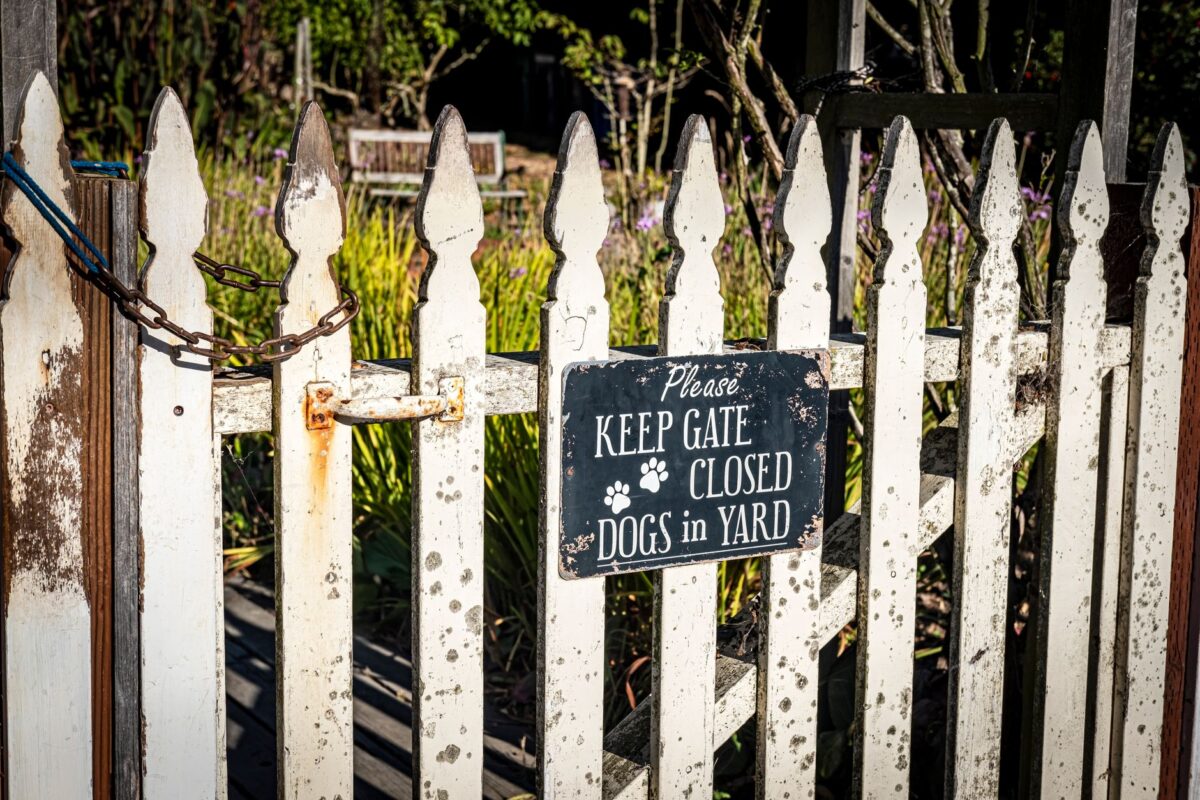
Dangerous dog insurance requirements are the rules that force an owner to carry proof of liability coverage after a dog is legally declared dangerous. A declaration usually follows a bite, an attack on another animal, or repeated aggressive behavior. Once the label attaches, the stakes change fast.
The owner may face mandatory insurance minimums, confinement rules, muzzle rules, and possible confiscation. For a bite victim, that same declaration often decides whether real money exists to pay the medical bills. In most cases the money comes from a homeowners or renters policy — not from the owner’s savings. Understanding dangerous dog insurance requirements before an incident is the difference between a covered claim and a personal judgment.
What “Dangerous Dog Insurance Requirements” Really Means
A dangerous dog declaration is an administrative finding. Animal control, a hearing officer, or a local court makes it. The dog is not automatically euthanized. Instead, the owner receives conditions. Those conditions typically include secure enclosure, signage, leash and muzzle rules, microchipping, and proof of liability insurance.
The insurance piece is where dangerous dog insurance requirements bite hardest. Several states set a hard dollar floor. Florida now requires at least $100,000 in liability coverage for a declared dangerous dog. Pennsylvania requires at least $50,000 and bars the policy from excluding a specific breed. Virginia requires $100,000 in coverage or a surety bond in the same amount. Washington allows confiscation of the dog if the owner cannot produce the required coverage.
Here is the catch. The law tells you to buy coverage. It does not force an insurer to sell it. As a result, many owners discover their carrier will non-renew the policy the moment the declaration lands. That gap is the real risk in dangerous dog insurance requirements.
How Homeowners Insurance Responds
Dog bite liability is paid under the personal liability section of a homeowners or renters policy. On a standard HO-3 form that is Coverage E. It pays bodily injury damages the insured is legally responsible for, plus the cost of defending the claim. Defense costs are paid in addition to the limit in most standard forms. Coverage F, medical payments to others, pays small medical bills without any finding of fault. Typical Coverage F limits run $1,000 to $5,000.
However, coverage is not unconditional. Insurers restrict dog exposure in three ways: breed exclusions, prior-bite exclusions, and animal liability exclusions that remove dog claims from Coverage E entirely. A dangerous dog declaration triggers the prior-bite exclusion on many forms. That is why dangerous dog insurance requirements often push owners toward a standalone canine liability policy.
| Coverage element | Typical limit | How it responds to a declared dangerous dog |
|---|---|---|
| Coverage E — personal liability | $100,000–$500,000 | Primary source of bite payments; may be excluded after a declaration |
| Coverage F — medical payments | $1,000–$5,000 | Pays small bills fast, no fault required; often unaffected |
| Breed or prior-bite exclusion | N/A | Removes all dog-related liability; the owner pays personally |
| Canine liability policy | $25,000–$300,000 | Standalone product used to satisfy statutory minimums |
| Personal umbrella | $1M–$5M | Sits above Coverage E; usually mirrors the underlying exclusions |
Where State Law Changes the Answer
There is no single national rule. Roughly two-thirds of states apply strict liability by statute. In those states the owner pays for the first bite, even with no history of aggression. The remaining states follow some version of the one-bite rule. There, the victim must show the owner knew or should have known the dog was dangerous.
A declaration collapses that distinction. Once a dog is formally declared dangerous, knowledge is established on the record. For example, a one-bite state stops protecting the owner after the second incident. Some statutes also add criminal penalties and treble damages. Because the outcome turns entirely on jurisdiction, review the dog bite laws in your state before assuming how a claim will resolve.
Local ordinances add another layer. Cities and counties frequently impose stricter dangerous dog insurance requirements than the state does. Typically the stricter rule controls.
What It Costs — Claims, Premiums and Limits
The Insurance Information Institute reports that homeowners insurers paid $1.862 billion for dog bite and dog-related injury claims in 2025. There were 28,450 claims nationwide that year, up from 22,658 in 2024. The average cost per claim was $65,450 in 2025, compared with $69,272 in 2024. Average claim cost has still risen roughly 97 percent since 2016.
Those averages hide the tail. A severe facial injury to a child, a scarring claim, or a wrongful death claim can exceed $500,000. A $100,000 liability limit disappears quickly against that. This is why dangerous dog insurance requirements set by statute should be treated as a floor, not a target.
Standalone canine liability policies commonly run several hundred to a few thousand dollars a year. Pricing depends on breed, bite history, enclosure, and the limit purchased. In most cases a declaration also raises the base homeowners premium at renewal.
🏠 Get Free Home Insurance Guides
Free · No spam · Unsubscribe anytime
How to Protect Yourself
Start by reading your declarations page and the animal liability endorsement. Confirm whether Coverage E still applies to the dog. Then raise the limit. Moving from $100,000 to $500,000 usually costs far less than most owners expect. Review your personal liability coverage at the same time.
Add a personal umbrella policy for meaningful protection. However, verify that the umbrella does not carry its own dog exclusion. Disclose the declaration to your carrier in writing. Concealing it can void the policy for material misrepresentation, which is worse than the higher premium.
Document everything. Keep enclosure photos, training records, vet records, signage photos, and proof of insurance filed with animal control. If a claim is denied, or if criminal charges or a destruction order follows, consult a licensed attorney in your state. Insurance guidance is not legal advice, and dangerous dog insurance requirements carry legal consequences beyond the policy.
Frequently Asked Questions
Will my homeowners policy be cancelled if my dog is declared dangerous?
It can be non-renewed rather than cancelled mid-term in most cases. Typically the insurer either excludes animal liability or declines to renew. As a result, many owners move to a specialty carrier that writes to dangerous dog insurance requirements.
Does renters insurance cover a dog bite?
Yes, renters policies include the same Coverage E personal liability section. However, the bite can happen off premises and still be covered. Breed and prior-bite exclusions apply the same way they do on a homeowners policy.
What happens if I cannot find insurance that meets the state minimum?
Some states accept a surety bond instead, such as Virginia’s $100,000 alternative. Others allow confiscation of the dog for non-compliance. For example, Washington permits immediate impoundment when required coverage lapses.
Compare Home Insurance Rates
Ready to see if you could be paying less for homeowners insurance? Compare quotes from top insurers in your area. Getting multiple quotes is the most effective way to find a better rate.
(paid link)
Official Sources & Resources
For verified information on home insurance regulations and consumer protection:
- NAIC (National Association of Insurance Commissioners): naic.org
- Insurance Information Institute: iii.org
- FEMA (Federal Emergency Management Agency): fema.gov
- FloodSmart (National Flood Insurance Program): floodsmart.gov
- USA.gov — Housing: usa.gov/housing
Content last reviewed August 2026. If you notice any outdated information, please contact us.