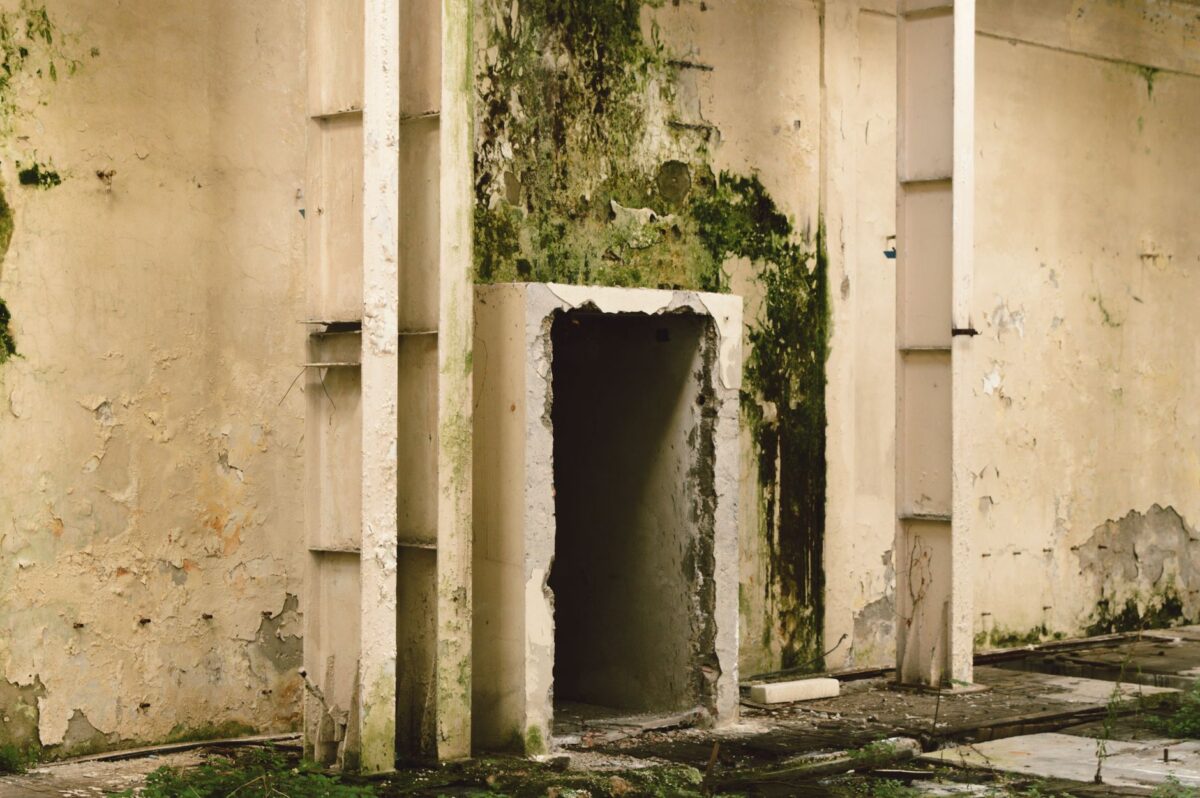
Mold after buying a home is a stressful surprise for many new owners. You close, move in, and then notice a musty patch behind a cabinet. The questions come fast. Who pays for this? Does homeowners insurance cover it?
Can you go after the seller? Finding mold after buying a house is more common than most people think. A standard home inspection is visual and limited. As a result, mold hidden inside walls or under flooring often goes unnoticed. Acting quickly on mold after buying protects your health and your chances of recovering costs. This guide covers insurance rules, typical costs, and your next steps.
Does Homeowners Insurance Cover Mold After Buying a Home?
In most cases, a standard homeowners policy (HO-3) covers mold only when a covered peril causes it. For example, a pipe that bursts suddenly and soaks the drywall is usually a covered event. The mold that follows may be covered too. However, mold from slow leaks, high humidity, or poor maintenance is typically excluded. Insurers treat that as wear and tear or neglect.
Timing also matters. If you discover mold after buying, the damage probably started before you owned the home. Your policy covers losses that happen during the policy period. As a result, insurers rarely cover pre-existing mold. The seller’s old policy won’t help either, because it ended at closing.
Many policies also cap mold payouts. According to the Insurance Information Institute, mold sublimits of $1,000 to $10,000 are common. Some insurers sell an endorsement that raises the limit, often to $25,000 or $50,000. Check your policy for a “fungi, wet rot, or bacteria” clause. Flood-related mold follows separate rules. Under the National Flood Insurance Program, mold from a flood may be covered. However, mold the owner could have prevented is not.
What Mold Remediation Typically Costs
Fixing mold after buying can cost a few hundred dollars or tens of thousands. The price depends on the size, location, and cause of the growth. The EPA’s mold guide says homeowners can usually clean areas under about 10 square feet themselves. Larger areas typically need a professional. For example, HVAC ducts, crawl spaces, and attics often require containment and special equipment.
| Service | Typical Cost Range |
|---|---|
| Mold inspection and testing | $300 – $1,000 |
| Small area (under 10 sq ft) | $500 – $1,500 |
| Crawl space or attic | $1,500 – $5,000+ |
| Basement | $2,000 – $6,000 |
| HVAC system and ducts | $2,000 – $10,000 |
| Whole-house remediation | $10,000 – $30,000+ |
These are national estimates. Local labor rates and access issues can raise or lower your quote. Get at least two or three written bids before hiring anyone.
Remediation is only part of the bill. Mold after buying usually points to a moisture problem that also needs repair. A leaking roof, poor grading, or a failed shower pan must be fixed. Otherwise, the mold will come back. As a result, your total cost can end up double the cleanup quote.
What to Do After Finding Mold After Buying Your Home
First, document everything. Take dated photos and video before you touch anything. Save your inspection report, seller disclosure form, and closing documents. You will need these records to file a claim or pursue the seller.
Next, stop the moisture source. The EPA advises drying wet materials within 24 to 48 hours to prevent new growth. It also recommends keeping indoor humidity between 30% and 50%. Then hire a qualified mold assessor to find the full extent of the problem. Some states, such as Texas and New York, require mold professionals to be licensed.
Then contact your insurer if a recent, sudden event may be involved. Report it quickly, because most policies require prompt notice. Also review any home warranty that came with the sale. However, most home warranties exclude mold or cap it at a low amount.
🏠 Get Free Home Insurance Guides
Free · No spam · Unsubscribe anytime
Finally, review your legal options for mold after buying. Most states require sellers to disclose known material defects. You may have a claim if the seller hid mold, painted over stains, or lied on the disclosure. Deadlines for these claims typically range from 2 to 6 years, depending on the state. A local real estate attorney can review your case. For smaller amounts, small claims court may be a faster option. You should also check whether your inspector missed obvious signs.
Frequently Asked Questions
Can I sue the seller for mold after buying a house?
In some cases, yes. You typically must prove the seller knew about the mold and failed to disclose it. As a result, evidence like old repair receipts or painted-over stains is key.
Will homeowners insurance pay for mold I found right after closing?
In most cases, no. Mold after buying usually started before your policy began, so insurers treat it as pre-existing. However, mold caused by a sudden covered event after closing may be covered, up to your policy’s sublimit.
Is mold after buying a home dangerous to my health?
It can be. The CDC notes that mold can cause stuffy nose, wheezing, and eye or skin irritation. People with asthma, allergies, or weak immune systems face higher risk. Typically, the CDC advises removing all mold rather than testing to identify the type.
Compare Home Insurance Rates
Ready to see if you could be paying less for homeowners insurance? Compare quotes from top insurers in your area. Getting multiple quotes is the most effective way to find a better rate.
(paid link)
Official Sources & Resources
For verified information on home insurance regulations and consumer protection:
- NAIC (National Association of Insurance Commissioners): naic.org
- Insurance Information Institute: iii.org
- FEMA (Federal Emergency Management Agency): fema.gov
- FloodSmart (National Flood Insurance Program): floodsmart.gov
- USA.gov — Housing: usa.gov/housing
Content last reviewed September 2026. If you notice any outdated information, please contact us.