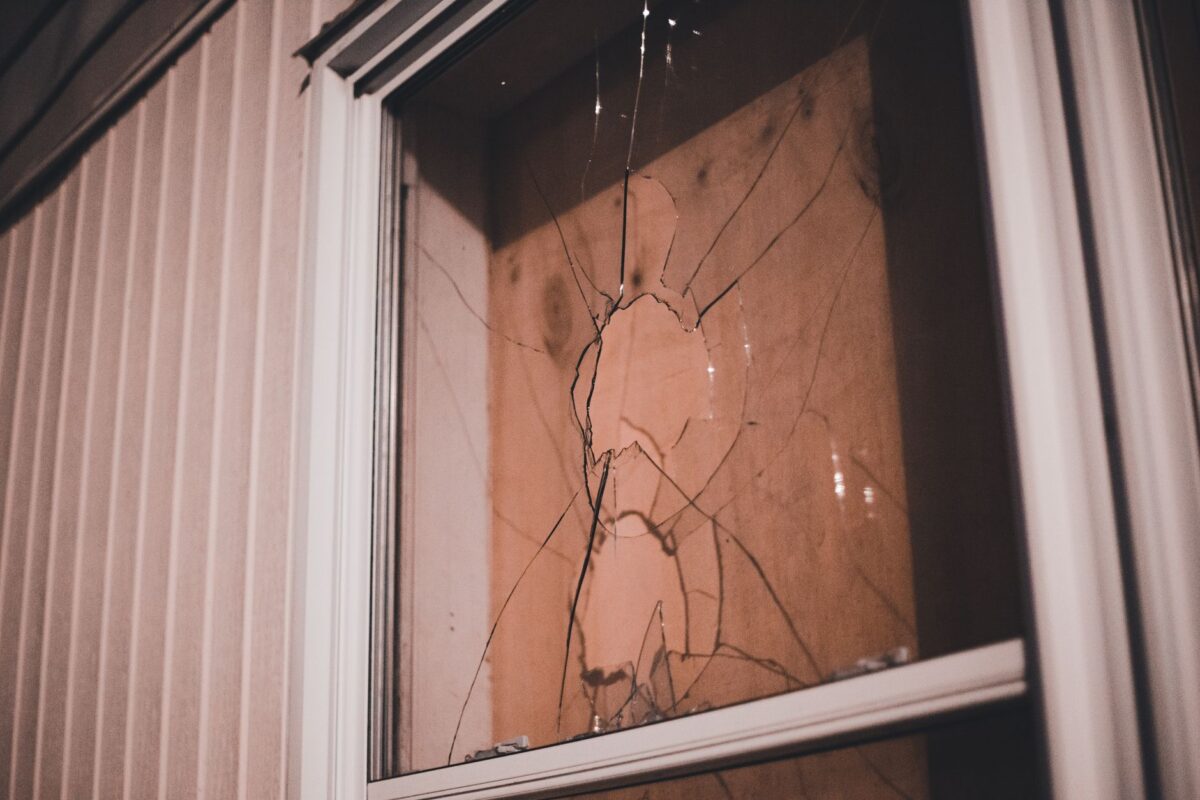
Theft claim homeowners insurance rules are what stand between you and reimbursement right now, after someone took things out of your home. You have a police report number, a half-finished list of missing property, and an adjuster who wants documents you are not sure you have. This guide walks through the actual process: what to file, what to keep, what deadlines are running, and where claims get cut down.
It does not promise your claim will be paid. It also does not give legal advice. Instead, it explains how a theft claim homeowners insurance file is built and evaluated, so you can make decisions with facts rather than guesses. Start with your own policy declarations page open beside you.
What “Theft Claim Homeowners Insurance” Means for Your Claim
Theft is a named peril under standard HO-3 policies. Coverage C, personal property, pays for your belongings. Coverage A pays for damage to the structure itself. For example, a kicked-in door, broken window, or cut lock is usually a separate line item from the stolen items. Do not forget it.
The financial fight is rarely about whether theft is covered. It is about limits and valuation. A theft claim homeowners insurance policy applies special sublimits to certain categories. These are much lower than your overall contents limit, and they apply even if your coverage is large.
Typical sublimits: cash and gift cards around $200 to $500, jewelry and watches around $1,000 to $2,500, firearms around $2,000 to $3,000. Silverware and coin collections have their own caps. In most cases, only a scheduled floater or endorsement raises them. Check your declarations page for these numbers before you argue about value.
The Step-by-Step Process
Work in order. A theft claim homeowners insurance file moves faster when the police report, the inventory, and the proof of loss agree with each other. Report to police first. Insurers commonly require a report, and inconsistencies between your report and your claim get flagged.
Photograph the scene before you clean up. Then build your inventory item by item: description, brand, model, serial number, approximate purchase date, purchase price, and any proof you own it. Receipts, credit card statements, box photos, warranty registrations, and photos where the item appears in the background all count.
| Step | What you do | Documents to keep | Timing |
|---|---|---|---|
| 1 | File a police report | Report number, officer name, copy of report | Immediately |
| 2 | Notify your insurer | Claim number, adjuster name, phone, email | Promptly — policy says “prompt notice” |
| 3 | Photograph damage and entry point | Photos, repair estimates for door/locks/windows | Before repairs |
| 4 | Build itemized inventory | Spreadsheet, receipts, statements, photos | Ongoing — add items as you remember |
| 5 | Submit sworn Proof of Loss | Signed, often notarized form | Deadline stated in your policy |
| 6 | Review the adjuster’s estimate | Line-by-line settlement sheet | Before cashing anything |
| 7 | Replace items, submit receipts | Replacement receipts for RCV holdback | Window set by policy |
Expect an actual cash value payment first if you have replacement cost coverage. The depreciation holdback is released after you actually replace the item and send receipts. Typically that second payment is the larger one people forget to collect.
Deadlines and Why They Vary by State
There is no single national deadline. Notice requirements, insurer acknowledgment and response times, investigation windows, and bad faith standards are set state by state. Some states require acknowledgment within a set number of days and a coverage decision within another window. Others use general unfair claims practices language instead. Check claim deadlines in your state for your specific timelines.
Now the trap. Your policy contains a “Suit Against Us” or “Legal Action Against Us” clause. It sets a contractual deadline to sue, often one or two years from the date of loss — not from the date of denial. That contractual deadline is frequently shorter than your state’s statute of limitations for breach of contract. When the two conflict, the shorter policy clause usually controls, and many states enforce it.
As a result, a claim that drags through months of adjusting can quietly run out of time. Find that clause in your policy conditions section today and write the date down. If your deadline is close, consult a licensed attorney in your state promptly. Tolling rules exist in some states but you should not count on them.
Common Mistakes That Cost People Money
The first mistake is a vague inventory. “Laptop — $1,200” invites depreciation and dispute. “2023 MacBook Pro 14-inch, M2 Pro, serial ABC123, purchased 3/2023, $1,999, Best Buy receipt attached” does not. Detail is the single strongest lever you have on a theft claim homeowners insurance payout.
The second is missing the replacement cost holdback window. People bank the ACV check, never replace the items, and forfeit the remainder. The third is repairing the break-in damage before photographing it. The fourth is guessing on values or listing items you cannot support. Overstating one item can taint the entire theft claim homeowners insurance file and trigger a fraud referral.
Also watch the recorded statement and the Examination Under Oath. Both are legitimate insurer tools. Answer honestly, but say “I don’t recall” when you don’t, rather than estimating. Keep every email. Confirm phone conversations in writing the same day. Never let a theft claim homeowners insurance conversation stay verbal only.
🏠 Get Free Home Insurance Guides
Free · No spam · Unsubscribe anytime
When to Escalate — Adjusters, Complaints and Attorneys
If the estimate is low but the process is functioning, start with a written rebuttal. Cite specific line items, attach your documentation, and ask for the policy language supporting any reduction. Many theft claim homeowners insurance disputes resolve at this stage without anyone else involved.
A licensed public adjuster works for you, not the insurer, and typically charges a percentage of the settlement. Some states cap that percentage. They can help when the inventory is large or complex. Your policy may also contain an appraisal clause for valuation disputes — however, appraisal resolves amount, not coverage denials.
If the insurer misses statutory response deadlines or stops communicating, file a complaint with your state department of insurance. It is free, and it creates a record. When coverage is denied outright, when bad faith is alleged, or when your suit-limitation date is approaching, consult a licensed attorney in your state. See all claims and disputes guides for related situations.
Frequently Asked Questions
Do I have to file a police report to file a theft claim on homeowners insurance?
In most cases, yes. Insurers routinely require a police report to verify a theft claim homeowners insurance loss. However, requirements vary by insurer and policy, so read your duties-after-loss section.
Will filing a theft claim raise my premium?
It can. Claims history is one rating factor, and multiple claims typically affect renewal terms more than one claim does. Weigh small losses against your deductible before filing.
What if my stolen jewelry is worth far more than the policy sublimit?
Then the sublimit generally caps that portion of the payout. For example, a $12,000 ring may reimburse at $1,500 without a scheduled floater. Ask your adjuster in writing which sublimit was applied and why.
Compare Home Insurance Rates
Ready to see if you could be paying less for homeowners insurance? Compare quotes from top insurers in your area. Getting multiple quotes is the most effective way to find a better rate.
(paid link)
Official Sources & Resources
For verified information on home insurance regulations and consumer protection:
- NAIC (National Association of Insurance Commissioners): naic.org
- Insurance Information Institute: iii.org
- FEMA (Federal Emergency Management Agency): fema.gov
- FloodSmart (National Flood Insurance Program): floodsmart.gov
- USA.gov — Housing: usa.gov/housing
Content last reviewed August 2026. If you notice any outdated information, please contact us.