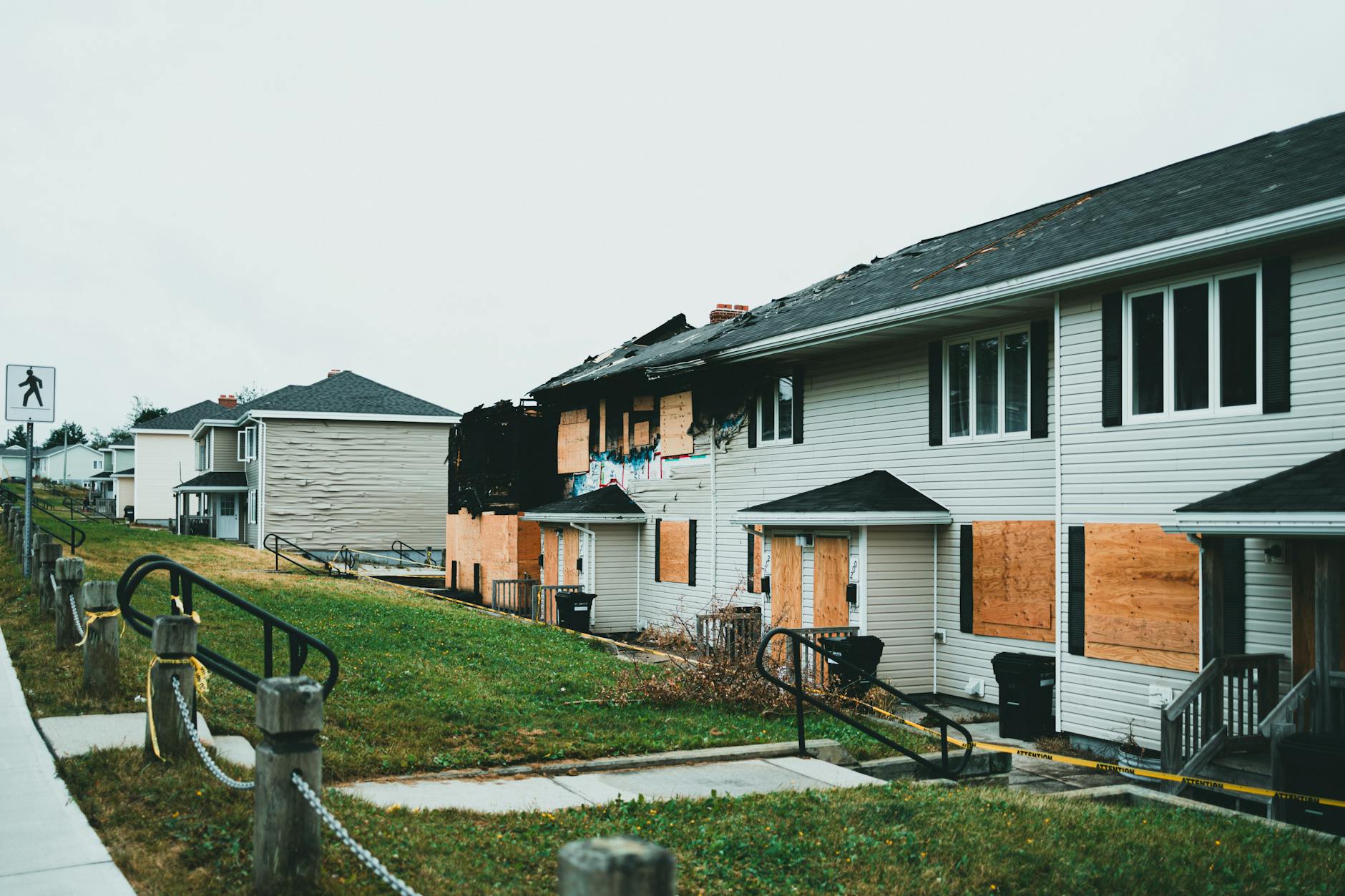
Uninhabitable after claim — those words describe one of the most stressful situations a homeowner can face. A fire, storm, or burst pipe has damaged your home so severely that you cannot live in it. Now you need somewhere to stay while repairs happen. In 2024 alone, more than 4.3 million Americans were displaced from their homes due to disasters, according to Table of Contents
pdf”>U.S. Census Bureau data. Your homeowners insurance likely includes a provision called Loss of Use coverage, also known as Coverage D. This coverage pays for additional living expenses when your home becomes uninhabitable after claim approval. However, many homeowners do not fully understand what this coverage includes. They also do not know how much it pays or how long it lasts. Understanding these details before disaster strikes can save you thousands of dollars and weeks of confusion.
What Loss of Use Coverage Pays When Your Home Is Uninhabitable After Claim Approval
Loss of Use coverage, or Coverage D, kicks in when a covered peril makes your home unlivable. It pays for necessary expenses above your normal living costs. For example, if you normally spend $400 per month on groceries but now spend $800 eating out, the policy covers the $400 difference. According to the National Association of Insurance Commissioners (NAIC), this coverage typically equals 20% to 30% of your dwelling coverage amount.
That means a home insured for $300,000 would have between $60,000 and $90,000 in Loss of Use benefits. In most cases, covered expenses include hotel or rental housing costs, restaurant meals above normal food spending, storage unit fees, pet boarding, laundry services, and additional transportation costs. As a result, homeowners who are uninhabitable after claim events can maintain a reasonable standard of living during repairs.
However, this coverage does not pay for everything. Your mortgage payments remain your responsibility. Normal expenses you would have paid anyway are not covered. Luxury upgrades beyond your pre-loss living standard are excluded. The Insurance Information Institute (III) reports that 5.3% of insured homes filed a claim in 2023. Knowing exactly what qualifies helps you maximize your benefits.
Time Limits and Dollar Caps: How Long Coverage Lasts When Uninhabitable After Claim
Most standard homeowners policies limit Loss of Use coverage to 12 months. Some higher-end policies extend this to 24 months. Your coverage ends when one of three things happens first: you reach the dollar limit, you reach the time limit, or your home becomes livable again. Typically, repairs must be actively underway for coverage to continue.
Here is a breakdown of standard Loss of Use limits by policy type:
| Policy Type | Loss of Use Calculation | Example Amount |
|---|---|---|
| HO-3 / HO-5 (Homeowners) | 20%–30% of dwelling coverage | $40,000–$90,000 |
| HO-6 (Condo) | 50% of personal property coverage | Varies by policy |
| HO-4 (Renters) | 40% of personal property coverage | Varies by policy |
| HO-8 (Specialty) | 10% of dwelling coverage | $20,000–$35,000 |
If you find yourself uninhabitable after claim filing, keep in mind that FEMA may also provide assistance for federally declared disasters. FEMA offers up to two weeks of emergency lodging initially. It can extend rental assistance in three-month increments for up to 18 months total. However, FEMA aid is separate from your insurance and typically applies only when insurance does not fully cover your needs.
Steps to Take When Your Home Becomes Uninhabitable After Claim Filing
Acting quickly and staying organized makes a major difference in your claim outcome. First, contact your insurance company immediately to report the loss. Ask your adjuster specifically what documentation they require. For example, some insurers want itemized receipts while others accept summary spreadsheets. The sooner you file, the sooner your additional living expenses can be reimbursed.
Second, save every receipt from day one. Keep records of hotel bills, meals, gas, storage fees, pet boarding, and any other displacement-related costs. Organize them by date and category. Write a brief note on each receipt explaining why the expense was necessary. According to United Policyholders, a nonprofit consumer advocacy group, thorough documentation is the single most important factor in getting full reimbursement when uninhabitable after claim events.
Third, track the difference between your normal expenses and your temporary living costs. Insurers only reimburse the additional amount above what you normally spend. Typically, keeping a simple spreadsheet with two columns — normal cost versus current cost — makes this easy. Also review your policy carefully to confirm your Loss of Use limit and time cap. If your situation is complex, consider hiring a public adjuster to help negotiate your claim. Being uninhabitable after claim approval is stressful enough without leaving money on the table.
🏠 Get Free Home Insurance Guides
Free · No spam · Unsubscribe anytime
Frequently Asked Questions
Does homeowners insurance cover hotel stays if my home is uninhabitable after claim approval?
Yes, in most cases your Loss of Use coverage pays for hotel stays when your home is uninhabitable after claim approval for a covered peril. However, the policy only covers reasonable costs, not luxury accommodations. Typically, your insurer expects you to find housing comparable to your normal living standard.
How long can I stay out of my home and still receive additional living expenses?
Most standard policies cover additional living expenses for up to 12 months. Some policies extend to 24 months. As a result, you should check your specific policy for the exact time limit and dollar cap that applies to your situation.
What should I do if my Loss of Use coverage runs out before repairs are finished?
If your coverage limit is reached while your home is still uninhabitable after claim processing, you may qualify for FEMA assistance if a federal disaster was declared. For example, FEMA can provide rental assistance for up to 18 months. You can also appeal to your insurer for an extension or consult a public adjuster for help negotiating additional benefits.
Compare Home Insurance Rates
Ready to see if you could be paying less for homeowners insurance? Compare quotes from top insurers in your area. Getting multiple quotes is the most effective way to find a better rate.
(paid link)
Official Sources & Resources
For verified information on home insurance regulations and consumer protection:
- NAIC (National Association of Insurance Commissioners): naic.org
- Insurance Information Institute: iii.org
- FEMA (Federal Emergency Management Agency): fema.gov
- FloodSmart (National Flood Insurance Program): floodsmart.gov
- USA.gov — Housing: usa.gov/housing
Content last reviewed April 2026. If you notice any outdated information, please contact us.