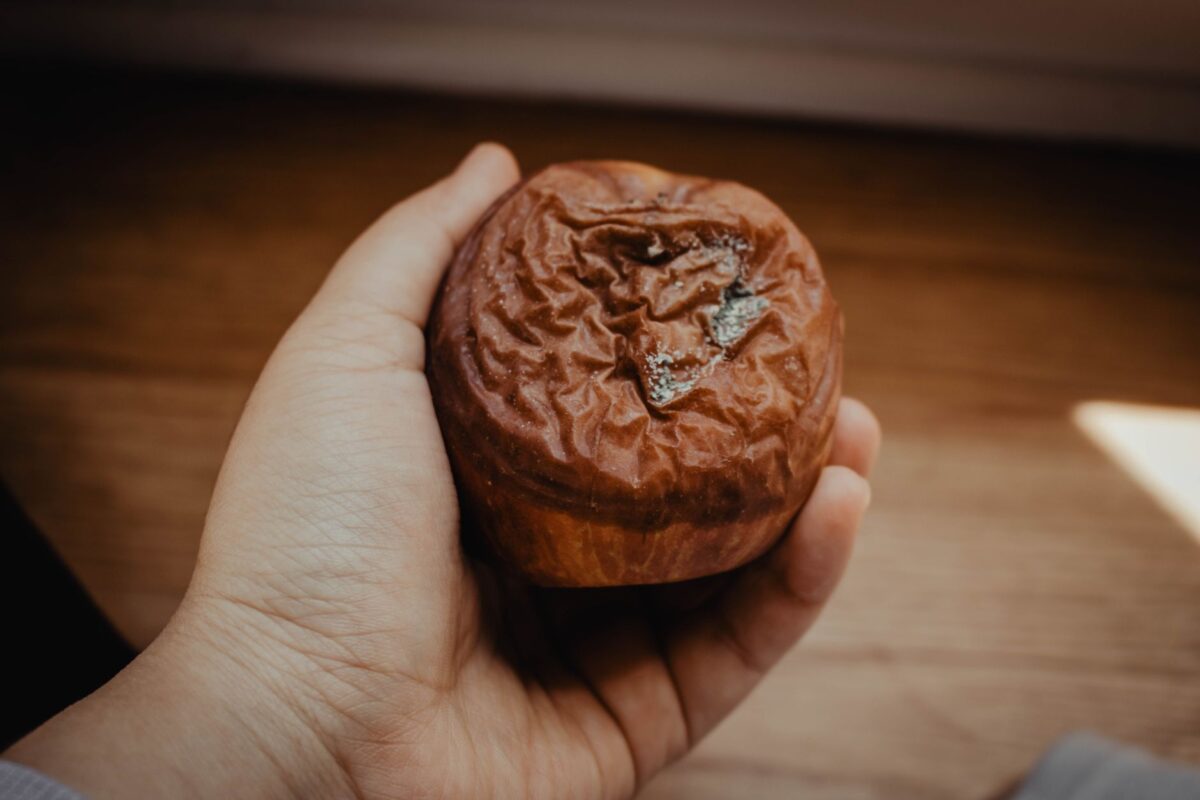
Food spoilage coverage matters most right after a long power outage. A full fridge and freezer can hold $500 to $2,000 worth of groceries. When the power stays off for days, much of that food goes in the trash. Many homeowners assume their policy will pay for it.
In most cases, however, food spoilage coverage is limited, conditional, or missing entirely from a standard policy. The answer depends on what caused the outage and where it happened. It also depends on whether you added an endorsement. This guide explains how food spoilage coverage works and what you can do before the next storm.
Does a Standard Policy Include Food Spoilage Coverage?
Most homeowners carry an HO-3 policy. This form covers your personal property against named perils. Food counts as personal property. However, the standard form excludes “power failure” that happens off your premises. As a result, a utility grid failure usually is not covered.
For example, suppose a storm knocks down power lines two miles away. Your food spoils after three days without power. Under a typical HO-3, that loss is excluded. The failure happened off your property, so there is no claim.
The picture changes when the cause is on your property. For example, lightning might strike your home and fry the electrical panel. Lightning is a covered peril. In most cases, the spoiled food is then covered as part of the lightning claim. Food spoilage coverage here comes from the covered peril, not from the outage itself. The Insurance Information Institute explains how named perils apply to personal property.
How Food Spoilage Coverage Endorsements Work
Many insurers sell a separate endorsement for food loss. It is often called a “refrigerated property” or “food spoilage” rider. This add-on typically covers food lost to power failure or appliance breakdown. Some versions cover off-premises outages. Others only cover on-site failures, so read the wording carefully.
Limits are usually small. Typically, food spoilage coverage pays between $250 and $1,000 per event. Some high-value policies offer $2,500 or more. The endorsement itself often costs $10 to $50 per year. In most cases, a reduced deductible of $100 to $250 applies. However, some carriers apply your full policy deductible instead.
| Scenario | Standard HO-3 | With Spoilage Endorsement |
|---|---|---|
| Utility grid outage off your property | Usually not covered | Often covered, check wording |
| Lightning damages your home’s wiring | Usually covered | Covered |
| Fridge or freezer mechanical breakdown | Not covered | Often covered |
| Fire on your property cuts power | Usually covered | Covered |
| Flood causes the outage | Not covered | Usually not covered |
Deductibles matter a lot here. For example, a $1,000 deductible wipes out a $600 food claim. As a result, many homeowners never file. Food spoilage coverage is most useful when it carries a low or separate deductible.
What to Do After an Outage to Protect Your Claim
First, keep your fridge and freezer doors closed. According to FoodSafety.gov, a closed fridge keeps food safe for about 4 hours. A full freezer holds its temperature for about 48 hours. A half-full freezer lasts about 24 hours. Perishable food above 40°F for more than 2 hours should be thrown out.
Next, document everything before you toss it. Take photos of the open fridge and freezer. Photograph labels, packaging, and store receipts if you have them. Write down the date and time the power went out. Note when it came back on. This record supports any food spoilage coverage claim you file.
Then, make a written list of every item. Include the quantity and estimated price. For example, “two pounds of ground beef, $12.” Insurers typically ask for this inventory. Keep your utility company’s outage notice as well. It proves the cause and length of the outage.
🏠 Get Free Home Insurance Guides
Free · No spam · Unsubscribe anytime
Finally, call your insurer or agent quickly. Many policies require prompt notice of a loss. Ask whether food spoilage coverage applies and what deductible will be used. If your claim is close to your deductible, ask before filing. Small claims can still appear on your claims history. The Ready.gov power outage guide offers more tips for preparing your home.
Also, check other sources of help. For example, some renters and condo policies include small food limits. Some credit cards and utility companies offer limited reimbursement. SNAP households can also request replacement benefits for food lost in a disaster. They typically must report the loss within 10 days.
Frequently Asked Questions
Does homeowners insurance cover spoiled food after a hurricane power outage?
Typically, no, if the outage came from off-site grid damage. However, food spoilage coverage may apply if you bought an endorsement that covers off-premises outages. Wind damage to your own home’s wiring may also trigger coverage.
How much does food spoilage coverage pay?
In most cases, limits range from $250 to $1,000 per event. Some premium policies go higher. As a result, check both your limit and your deductible before filing.
Is a broken refrigerator covered by home insurance?
Standard policies usually exclude mechanical breakdown. For example, a failed compressor is considered wear and tear. However, an equipment breakdown endorsement or food spoilage coverage rider may pay for the lost food.
Compare Home Insurance Rates
Ready to see if you could be paying less for homeowners insurance? Compare quotes from top insurers in your area. Getting multiple quotes is the most effective way to find a better rate.
(paid link)
Official Sources & Resources
For verified information on home insurance regulations and consumer protection:
- NAIC (National Association of Insurance Commissioners): naic.org
- Insurance Information Institute: iii.org
- FEMA (Federal Emergency Management Agency): fema.gov
- FloodSmart (National Flood Insurance Program): floodsmart.gov
- USA.gov — Housing: usa.gov/housing
Content last reviewed September 2026. If you notice any outdated information, please contact us.